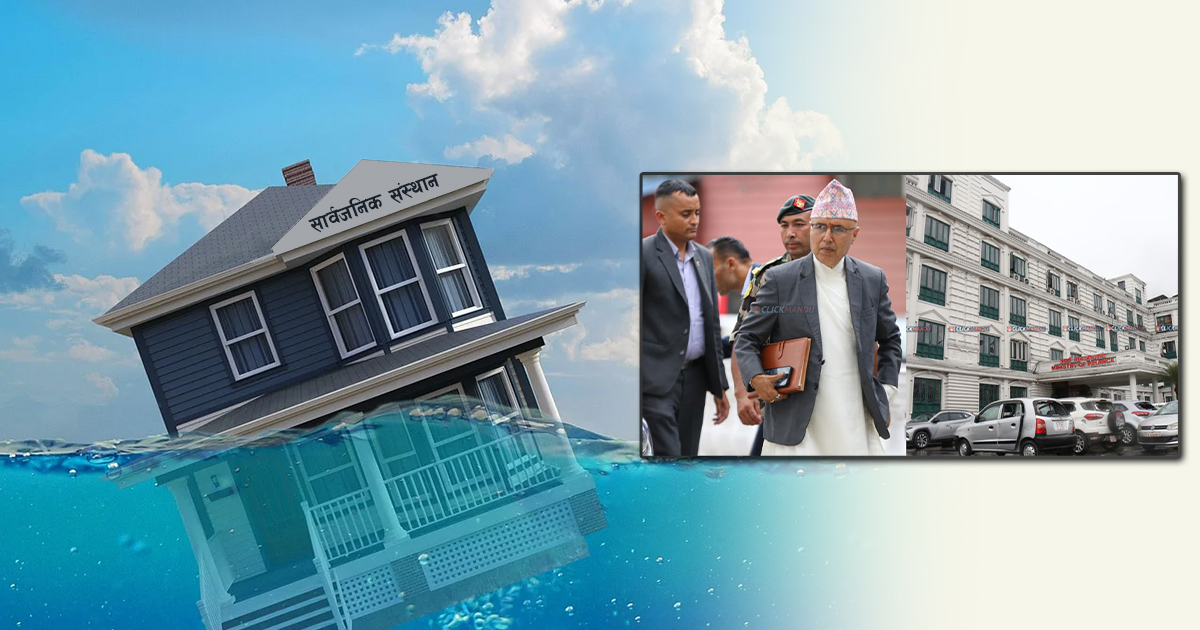

Kathmandu: The Government of Nepal has issued the Public Institutions Management and Good Governance Policy 2025 aiming to ensure non-interference in the daily operations of public institutions.
The policy clearly states that the government will not interfere in the daily operational decisions of public institutions except for providing broad directives. This signals a move toward granting autonomy to public institutions for independent decision-making.
The Ministry of Finance’s policy mandates that the board of directors and management of public institutions will be fully responsible for decision-making and performance under existing laws. The government also plans to classify public institutions that compete with the private sector as professional entities, simplifying their procurement processes to enhance competitiveness and reduce delays.
The policy addresses the separation of regulatory and operational functions of public institutions to improve governance. It aims to make public institutions more efficient, competitive, and aligned with government policies while ensuring proper returns on government investments and minimizing financial risks.
As of fiscal year 2023/24, Nepal has invested approximately Rs 703.93 billion in public institutions, with a mix of share investments and loans. Despite the large investment, returns have been declining—dividends from share investments fell from 3.8 percent in 2022/23 to 2.4 percent in 2023/24. Among operational public institutions, 28 are profitable, while 15 incur losses. Profit decreased by 12.88 percent to Rs 4.26 billion, and losses increased by 8.65 percent to Rs 363.65 million.
The policy also emphasizes improving internal governance, establishing robust internal control systems, and selecting managers based on merit to ensure accountability and transparency. It is based on a study of national and international best practices to make public institutions result-oriented and answerable.
This policy aims to make public institutions easier to manage, competitive, and better aligned with national goals while decreasing government intervention in everyday management.

Comment Here