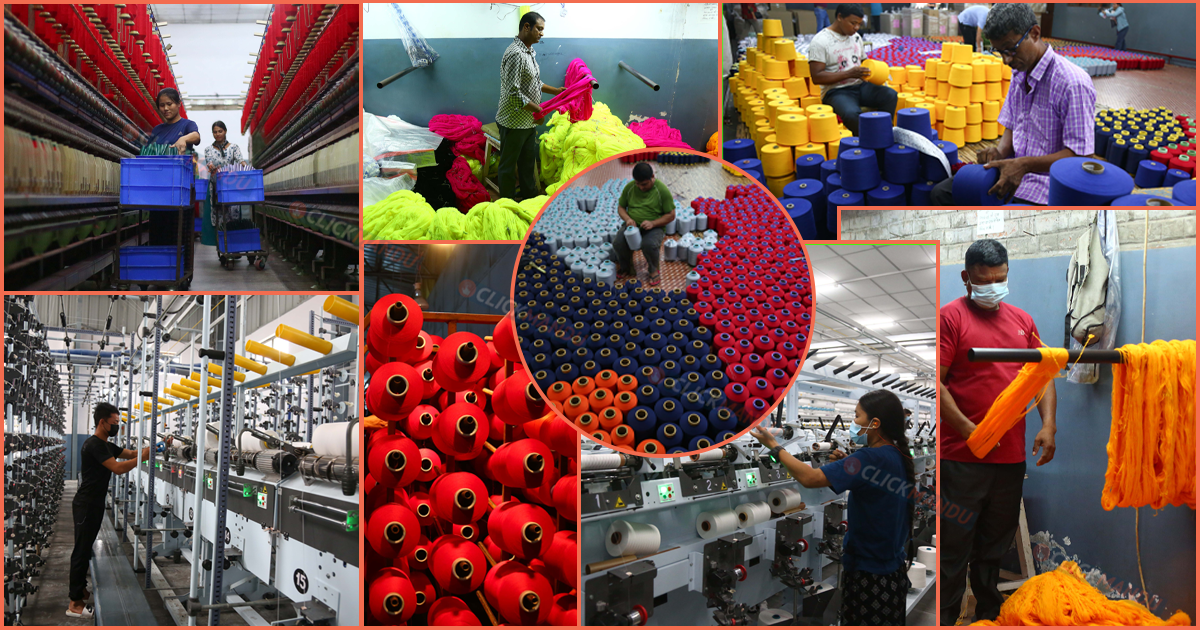
Biratnagar: Nepal Electricity Authority (NEA) has disconnected the power supply to Reliance Spinning Mills, located in the Sunsari-Morang Industrial Corridor, citing unpaid dues for electricity used through a dedicated feeder.
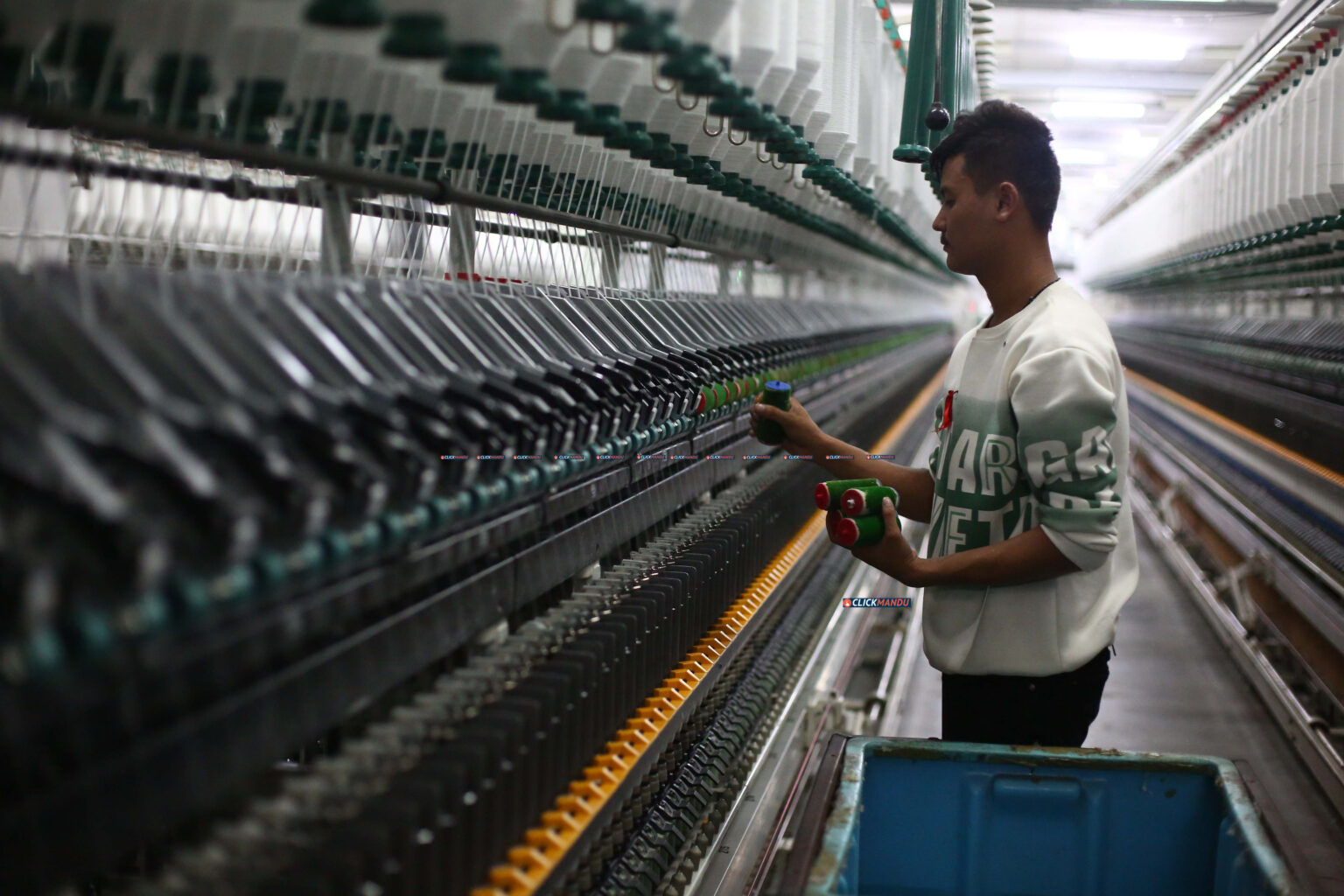
This action has halted the factory’s production for a week. As a result, over 4,000 workers and employees have been affected. The mill, which produces 125 tons of various types of yarn daily, has been completely shut down.
In protest against the power cut, representatives from various labour organizations in Sunsari, including the mill’s internal labour union—Suresh Kumar Sah, Dhaneshwar Chaudhary, Amar Lal Yadav, Om Prasad Mahato, and Vijay Chaudhary—submitted a memorandum to the Sunsari administration. They warned that if the power supply is not restored, over 4,000 workers will surround the NEA office, and they will not be responsible for any resulting damage.
The representatives stated that by cutting off the electricity to an industry that sustains the livelihoods of over 4,000 workers, the NEA has effectively “kicked the workers in the stomach.” They emphasized that workers are prepared for any form of protest or struggle against this action.
The collective stance of the labour organizations is clear: “Either restore electricity to the industry or provide alternative employment for the over 4,000 workers.” They have planned a street protest starting Wednesday, immediately after the Chhath festival.
This industry is a significant employer and export-oriented enterprise, providing direct jobs to 4,000 workers, including 1,600 women. Last year, the mill exported yarn worth approximately Rs 11 billion rupees and sold about Rs 3 billion worth of yarn in the domestic market.
The mill reportedly owes Rs 750 million in unpaid dues for electricity used through the dedicated feeder. The NEA cut the power supply on Tuesday, November 4, the day after Laxmi Puja. According to the mill’s general manager, Mahesh Pokharel, the factory is currently using a generator to power lights in the evening.
The mill’s operators had previously approached the Sunsari District Court, arguing that the NEA imposed the dues verbally without providing a bill or any basis for the amount. Last year, the court ordered the NEA not to disconnect the power supply to this employment- and export-oriented industry, and the NEA complied.
However, after the NEA’s board decided to review the case, the mill operators withdrew the court case by depositing 5 percent of the Rs 750 million as a security deposit and awaited the NEA’s decision. Pokharel expressed frustration, stating that the NEA abruptly cut the power supply, betraying the industry, halting production, and effectively “kicking over 4,000 workers in the stomach.”
Pokharel argued that instead of protecting the industry, the state has pushed it toward collapse. He said, “By cutting off the electricity to an industry with billions in bank investments, the state has snatched away the livelihoods of workers.” He added that rather than outright prohibition, the NEA should adopt alternative measures to allow the industry to operate while presenting official evidence for the dues and recovering the amount legally.
Industrialists have criticized the NEA, stating that any citizen, organization, or industry should only pay for services used, or a minimum fee for the connection, based on a scientific billing system. They argue that the NEA has disrupted the industrial environment by issuing verbal demands for payment without measuring actual usage or providing evidence.
This dispute between the industry and the NEA has been ongoing for nearly a decade. Nanda Kishore Rathi, president of the Morang Industry Organization, stated that instead of shutting down industries and rendering workers jobless, the government and industrialists must sit together to resolve the issue. He noted that the cycle of cutting and restoring power has persisted and emphasized the need for a permanent solution through dialogue. Prolonged disputes over this issue could harm the industrial environment, and the government should adopt a flexible policy toward the private sector to address the problem.
Rakesh Surana, the former president of the organization, remarked that industries using electricity during load-shedding periods should pay the dues, but those who did not use it should not face injustice. He believes the issue remains unresolved due to political manipulation of the dedicated feeder and trunk line dues by both industrialists and NEA leadership. “The problem persists because both sides treat it as a matter of ego,” Surana said, adding that a resolution is unlikely without mutual agreement.
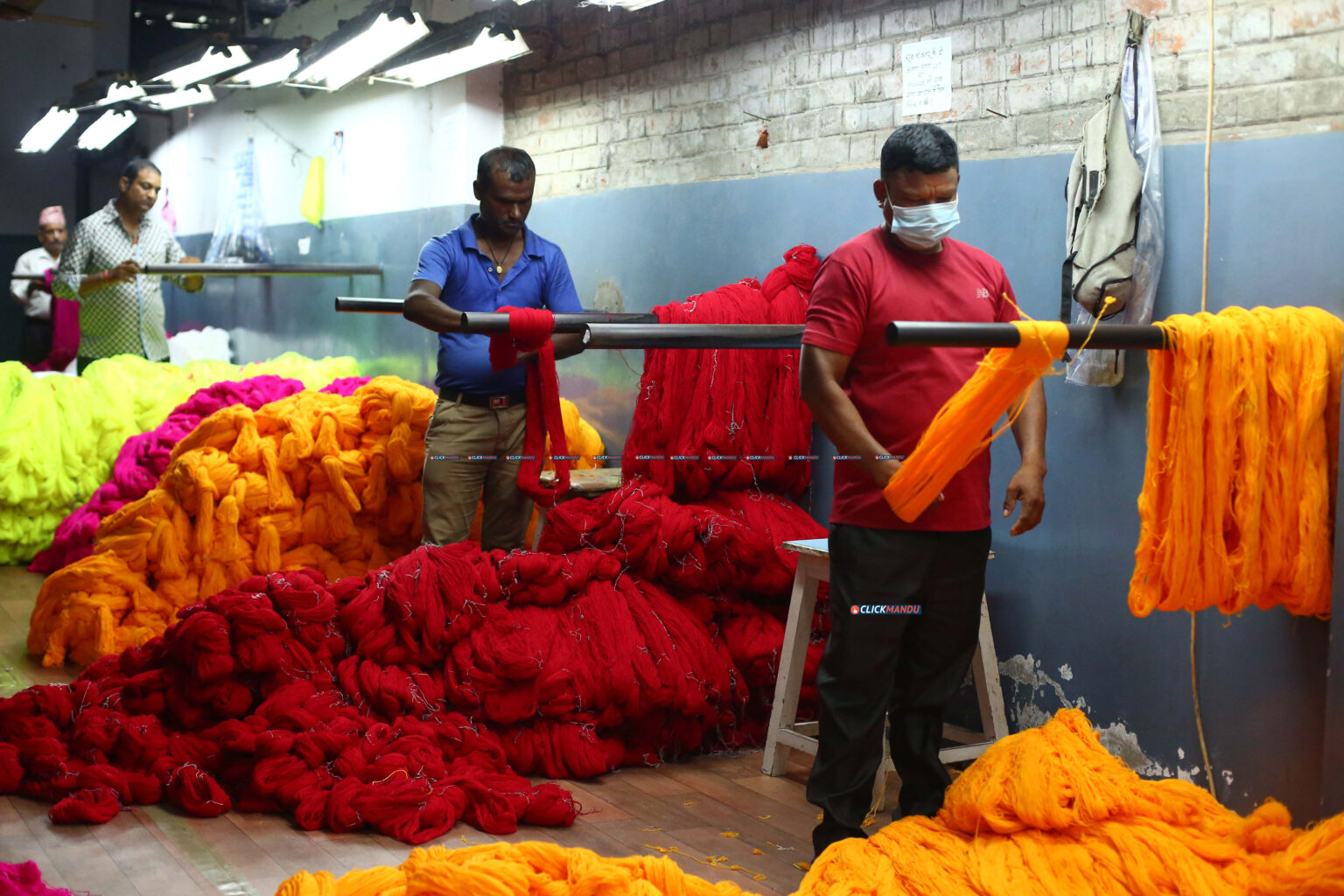
Madhav Chaudhary, president of the Nepal Trade Union Congress in Sunsari, told Clickmandu that all labor organizations in the district are preparing for a collective street protest after Chhath to protect workers’ rights and job security.
“By abruptly shutting down a running industry, the NEA has kicked hundreds of workers in the stomach. Labor organizations cannot remain silent. This is not about one worker but the livelihoods of 4,000 workers,” he said. “The NEA must either restore the power supply or arrange employment for the workers whose livelihoods have been taken away.”

Comment Here