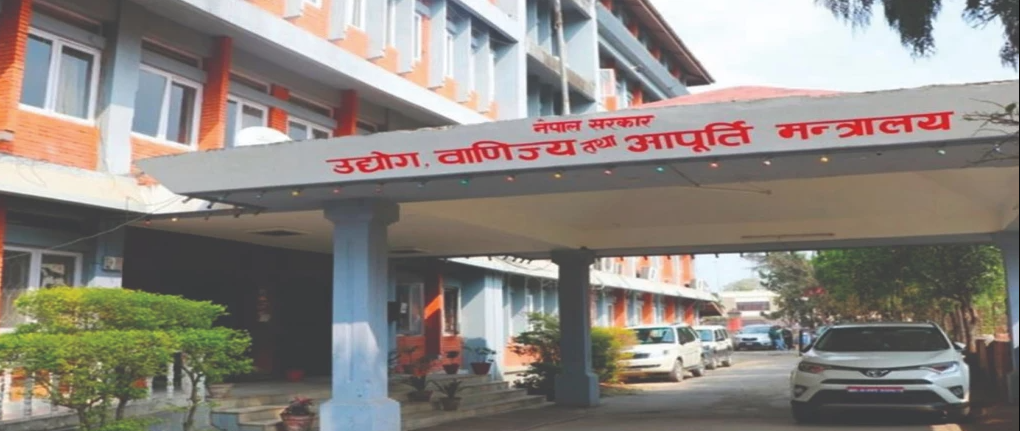

Kathmandu: Nepal’s Ministry of Industry, Commerce and Supplies is rolling out a landmark initiative called the Bhagat Sarvajit Shilpa Udyam Vikas Karyakram (Bhagat Sarvajit Traditional Craft Entrepreneurship Development Programme) starting this fiscal year, with a dedicated budget of Rs 500 million (approximately US$ 37 million).
The programme specifically targets the Dalit community, aiming to preserve and modernize centuries-old hereditary occupations – such as gold- and silversmithing, copper and bronze metalwork, blacksmithing, leatherwork, woodworking, stone carving, and traditional musical instrument making – while significantly improving livelihoods through skill upgrading, better technology, easier access to finance, and stronger market linkages.
First announced in Point 68 of the current fiscal year’s budget speech, the scheme offers:
Capital grants of up to Rs 300,000 per individual entrepreneur for technology upgrades,
Grants of up to Rs 1.5 million for registered groups at the local level,
Subsidized interest loans under the government’s existing concessional lending framework, and
Comprehensive skill-development and entrepreneurship training.
The Ministry approved the official operating guidelines – “Bhagat Sarvajit Shilpa Udyam Vikas Karyakram Sanjalan Karyabidhi 2082” – on 29 October 2025. The programme will be implemented through the Industrial Enterprise Development Institute (IEDI).
Who can benefit?
Eligibility is restricted to Nepali citizens from the Dalit community who:
Are aged 16–60
Are actively engaged in a traditional hereditary craft
Run a registered firm or enterprise (or are willing to register one)
Applicants whose caste is not evident from their surname must provide certification from their local ward office confirming their Dalit identity and involvement in a traditional occupation.
Beneficiaries who receive grants or subsidies under this program cannot avail similar benefits from other government schemes for the same purpose.
Ten specialized training modules
Successful applicants will have access to free training in:
Entrepreneurship Development (Trainer of Trainers)
General Entrepreneurship Development
Business Management (marketing, accounting, and sales)
Modern and traditional jewelry making with precious metals
Copper, bronze, and silver household utensils
Iron tools and household implements
Leather goods production and repair
Woodwork production and repair
Traditional musical instruments
Professional tailoring and garment making
By blending heritage preservation with modern machinery, design innovation, and market-oriented approaches, the government hopes to transform marginalized craft-based micro-enterprises into sustainable, competitive businesses – creating dignified employment and helping close socio-economic gaps for one of Nepal’s most historically disadvantaged communities.

Comment Here