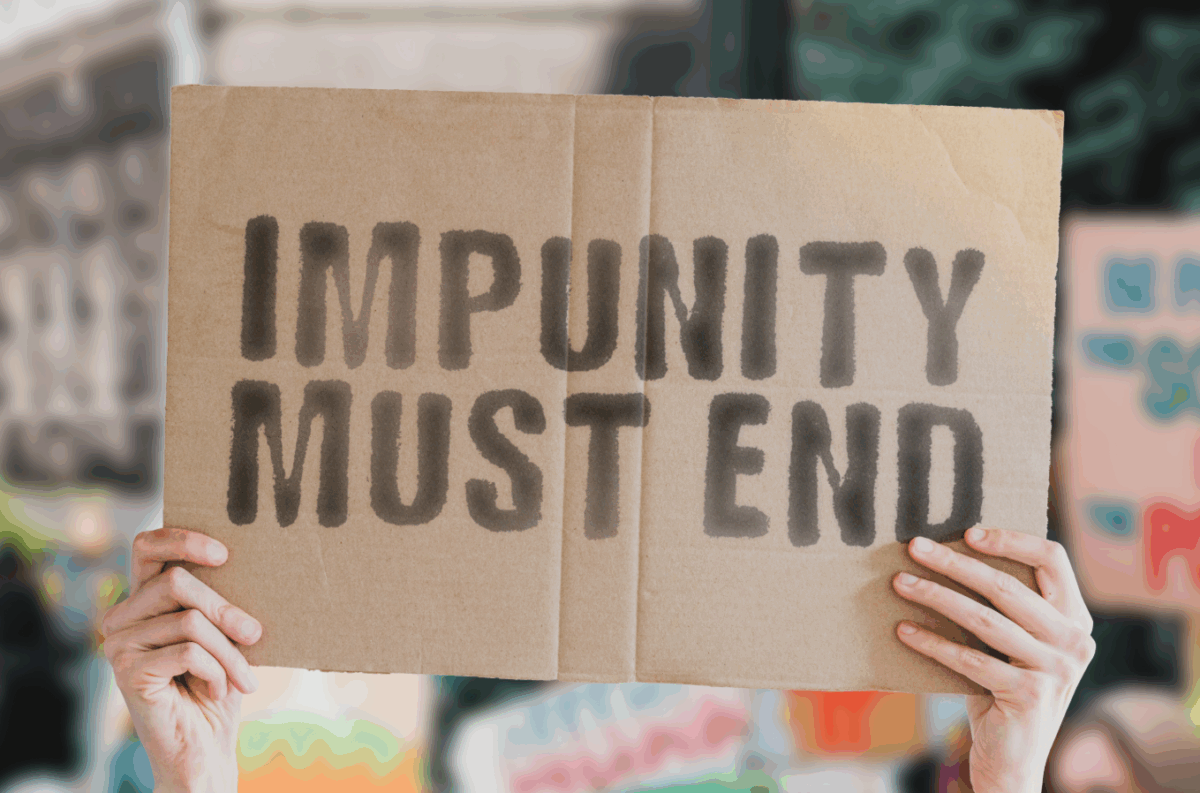

Kathmandu: Advocacy Forum–Nepal (AF) has warned that the country risks further entrenching decades-long culture of impunity unless the interim government immediately reforms its transitional justice (TJ) bodies. The call comes as Nepal marks 19 years since the Comprehensive Peace Agreement (CPA), which ended the decade-long conflict with Maoist rebels.
In its Impunity Report, November 2025, released Friday, AF said victims of the conflict, along with the broader public, are still waiting for truth, justice, and reparations. The organization linked the recent Gen Z protests to widespread frustration over unaddressed abuses and the political capture of state institutions.
AF criticized the interim government for endorsing existing TJ commissions that were appointed through what it described as a “flawed selection process” under the previous administration. According to the report, the process sidelined victims, lacked transparency, and resulted in the appointment of commissioners with limited expertise and close ties to major political parties.
Instead of reopening the selection process, the government has approved regulations and budgets for the current commissions, a move AF says could “further entrench impunity.”
“Our system is such that impunity is the norm,” AF Executive Director Bikash Basnet said. “We had impunity before the conflict, during the conflict, and ever since. And if the TJ commissions don’t deliver truth, justice, and reparations, we will continue to have impunity in the future.”
AF also expressed concerns about the commission established to investigate the September 8–9 clashes during the Gen Z uprising. While the commission has been collecting evidence and interviewing security personnel and political actors, the report warns it may follow the pattern of previous inquiries that failed to hold the security apparatus, including the Nepal Army, accountable.
The organization argues that both past anti-impunity campaigns and the recent youth-led protests reflect a broader pushback against arbitrary power, political patronage, and weakened institutions. According to AF, the erosion of merit and expertise within public bodies has contributed to public distrust and recurring cycles of unrest.
The report outlines several recommendations for the government, international community, and any future TJ institutions. Key proposals include reconstituting transitional justice bodies through genuine consultation with victims, vetting alleged perpetrators, preventing suspects from leaving the country, establishing a comprehensive reparations policy, and launching public debate on reforming the police, armed forces, civil service, and judiciary.
AF also urged international actors not to support TJ processes that ignore human rights standards, warning that doing so risks perpetuating the cycle of violence.
The full report, titled “Past Impunity is Present Impunity is Future Impunity,” is available on Advocacy Forum–Nepal’s website.

Comment Here