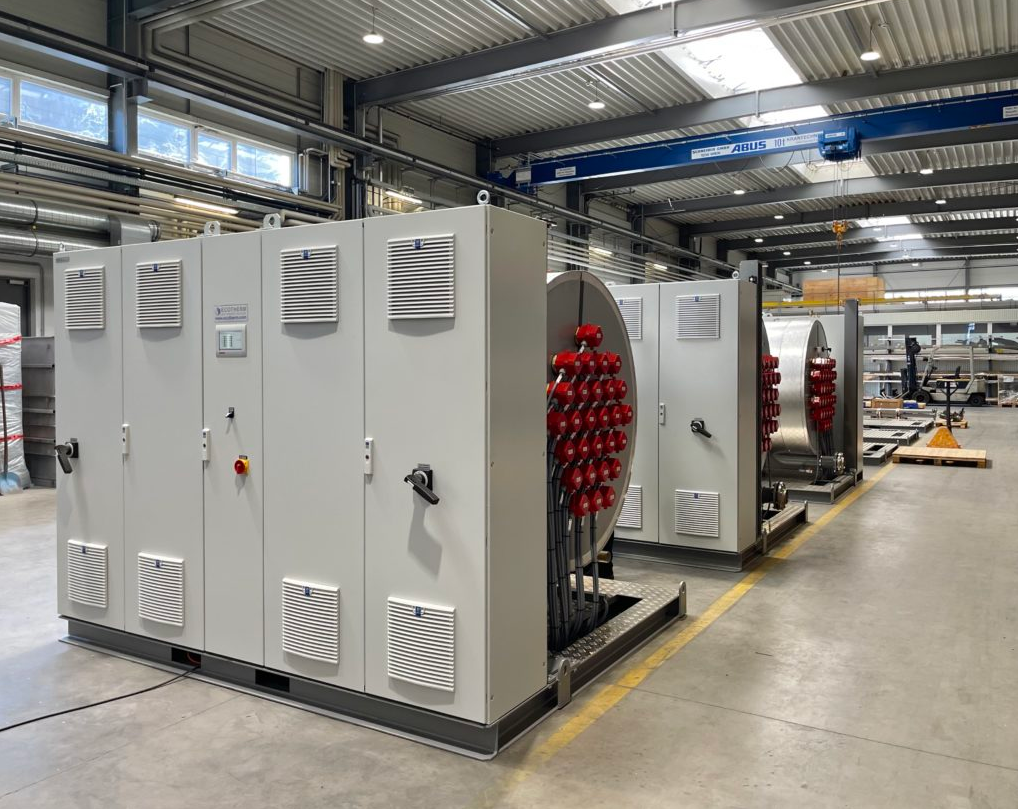

Kathmandu: Nepal is rolling out an ambitious five-year mission to slash deadly air pollution by convincing thousands of small and medium factories to ditch coal, diesel, firewood, and rice-husk boilers for clean electric or pellet-powered ones. The government is ready to pay factories to make the switch.
Backed by World Bank funding and expertise, the “Nepal Clean Air and Prosperity (CAP)” project aims to dramatically cut smog in the Kathmandu Valley and the heavily industrialised Terai plains, areas that regularly rank among the most polluted places on Earth. Kathmandu currently sits at number 9 on the list of South Asia’s ten most polluted cities.
Every year, air pollution kills an estimated 26,000 Nepalis prematurely and shaves more than three years off average life expectancy. The economic damage is brutal too: more than 6 percent of GDP lost annually.
The plan is simple but bold:
Offer soft loans, direct grants, and big tax breaks to any factory that replaces its dirty old boiler with a modern electric or biomass-pellet version.
Target around 400 of the worst-polluting factories in the first phase (75 percent of owners have already said they’re interested).
Help Nepal meet its international promise of reaching “net-zero” emissions by 2045 and its COP26 pledge to source 15 percent of energy from clean sources.
More than 9,500 industries are registered in Nepal. At least 1,063 still run on coal, diesel, firewood or rice husk, burning roughly 9,000 metric tons of biomass every single day. Those factories employ over 705,000 people directly, so shutting them down isn’t an option. Instead, the government wants to modernise them.
What factories get if they join:
Up to 20 percent income-tax holiday for five years,
Tax waivers when scrapping old machinery,
Low-interest loans and outright grants channelled through National Commercial Bank and partner banks,
Technical help to install electric or pellet boilers.
The project will focus first on the most polluted hotspots:
Kathmandu, Bhaktapur, Lalitpur (the Valley), plus Jhapa, Morang, Sunsari, Bara, Parsa, Chitwan, Makwanpur, Rupandehi, and Nawalparasi. Pokhara and Nepalgunj could be added later.
On the monitoring side, the Ministry of Forests and Environment will upgrade all 30 existing air-quality stations, build five new ones, and set up a state-of-the-art environmental lab to track not just PM2.5 but also black carbon, sulphur dioxide, and nitrogen oxides.
The draft plan was made public last Thursday for feedback. Once comments are incorporated, Nepal hopes to sign the final agreement with the World Bank and start implementation as early as December 2025 or January 2026.
For factory owners, the message is clear: go green now and the government will foot part of the bill. For millions of Nepalis breathing some of the dirtiest air in Asia, the project can’t come soon enough.

Comment Here