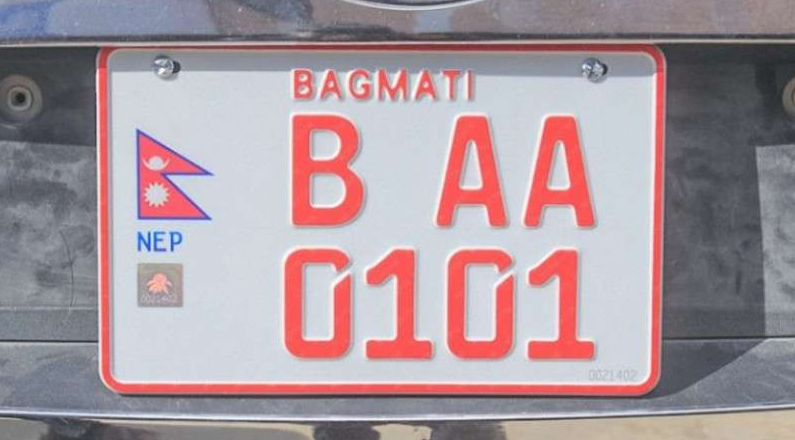

Kathmandu: The Department of Transport Management is quietly moving to grant a third extension to the troubled embossed number plate contract, even though the project has been effectively frozen since violent Gen-Z protests culminated in the complete destruction of the production factory by arson.
The decade-old initiative, first awarded in 2015 to a Bangladesh-US joint venture (Decatur-Tiger IT) for Rs 3.87 billion, was meant to replace all traditional plates with high-security embossed ones across Nepal’s 2.5 million vehicles within five years. Instead, it has become one of the country’s most criticized and delayed infrastructure projects.
After two previous extensions, the latest running until 11 December 2025, the contract technically expired last month. Yet Director General Rajeev Pokhrel confirmed that officials now have little choice but to extend it again, at least temporarily, to settle accounts, assess damages, and decide the project’s future.
“We are still discussing the way forward,” Pokhrel said. “Technically, we need some additional time just to close out the old contract properly and finalize the financial reconciliation.”
A final decision on whether to revive the embossed system, scrap it entirely, or shift to a new model remains pending at the political level, he added, with the government first needing to quantify losses and determine compensation liability.
The project suffered a fatal blow on 8 September when protesters from the “Janajati” movement stormed the Transport Management office in Baneshwor and set fire to the entire embossed plate production facility. More than 825,000 finished and semi-finished plates were reduced to ashes, along with all specialized machinery. Officials say nothing is salvageable and none of the equipment or stock was insured.
By that point, only about 190,000 vehicles had actually received the new plates despite years of work and multiple deadlines. A ministerial decision in July to make embossed plates mandatory for all new registrations, transfers, and renewals from 1 October onward triggered widespread public anger over cost, language concerns (plates are in English only), and perceived corruption, ultimately leading to the arson attack that halted everything.
With the factory destroyed and the contract expired, the government now faces the risk of having to pay the contractor up to Rs 3.91 billion in penalties for failing to complete the work on time, a figure former Minister Devendra Dahal had publicly acknowledged in Parliament.
A small internal study team has been formed and is holding continuous talks with the contractor, but no clear roadmap has emerged. Sources say options range from importing replacement machinery to keep the original deal alive, to terminating it outright and starting fresh with a different technology or vendor.

Comment Here