
Kathmandu: Nepal’s flagship national health insurance programme, once seen as a growing pillar of public trust, is now facing the real risk of collapse after the government failed to make payments to hospitals on time.
Launched a decade ago on 25 March 2016 in two districts of Kailali, the scheme has since expanded nationwide, reaching all 77 districts and 753 local governments across the country.
The programme now covers 3.3 million households, representing about 45 percent of the population, or roughly 10 million people. But despite this impressive reach, its survival is in doubt because hospitals are not being reimbursed for the services they have already provided.
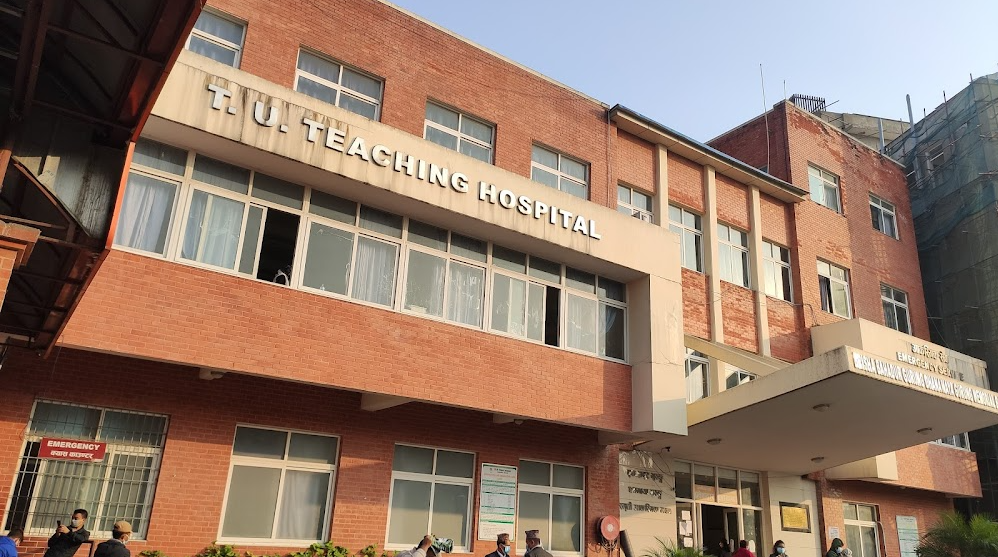
The country’s largest public hospital, Tribhuvan University Teaching Hospital, which treats the highest number of insured patients and files the largest volume of insurance claims, has announced that it will suspend services under the insurance scheme because it has not been paid. The Health Insurance Board has warned that other hospitals may soon follow, threatening to cripple the entire system.
Even as public confidence in health insurance has been steadily rising, the Board says it is lobbying the government not to let the programme collapse. “Health insurance is currently implemented in 510 hospitals across Nepal,” said Bikesh Malla, information officer at the Health Insurance Board, speaking to Clickmandu. “By the end of mid-October this year, hospitals were still owed more than Rs 10.5 billion for services already delivered.”
According to Malla, only 46 percent of all claims submitted up to mid-October of the Nepali year 2082 have been settled, while the remaining 54 percent remain unpaid because of budget shortages. The government’s subsidy for the current fiscal year has already been exhausted, the Board has no independent revenue source, and the amount collected from insurance premiums covers only a fraction of what is needed.
Claims from across the country now average about Rs 80 million per day, adding up to roughly Rs 2.5 billion every month. At the same time, the number of people relying on the scheme continues to grow. On an average day, around 50,000 people now receive treatment using health insurance, underlining how deeply the system has become embedded in everyday healthcare.
This year, the government provided Rs 10 billion in subsidies, and the Board collected about Rs 3 billion in premiums, bringing total available funds to Rs 13 billion. By mid-October, that entire amount had already been paid out to hospitals. The Board asked the Ministry of Finance for an additional Rs 7 billion, but only Rs 1 billion has been released so far, leaving most claims unpaid.
As a result of these delays, hospitals have begun to pull out. Tribhuvan University Teaching Hospital has formally informed the Board that it will stop providing all services under the insurance scheme from mid-January. The hospital says it is still owed around Rs 400 million. With monthly expenses exceeding Rs 50 million and only about half of its claimed amounts being approved due to pricing gaps between insurance rates and actual treatment costs, the hospital says its finances are in crisis. After covering losses from its own resources for two years, it says it can no longer afford to continue.
The hospital has also been unable to pay pharmaceutical and medical supply vendors for the past five months because of the cash crunch. Other hospitals have warned they may stop admitting insured patients and limit services to outpatient care only. This, officials fear, will further erode public trust and reduce insurance renewals.
Malla also pointed out that several government plans meant to support health insurance have remained stuck on paper. The government has announced that civil servants would be required to contribute 2 percent of their salary to the insurance fund, potentially bringing in contributions from around 500,000 employees and generating an additional Rs 8 to 10 billion each year. But the policy has yet to be implemented.
Similarly, the government proposed raising extra taxes on tobacco products and sugar and channelling that revenue into the health insurance fund, but that too has not been enforced. Plans to merge separate health benefit schemes run by the Employees Provident Fund and the Citizen Investment Trust under the umbrella of the Health Insurance Board have also failed to move forward.
At present, the government pays the insurance premiums for 55 percent of those enrolled, including senior citizens, the poorest households, and people with serious illnesses. However, the Rs 10 billion annual subsidy allocated in the national budget has to cover all these obligations, leaving the fund severely overstretched.
Out of those enrolled, about 6 to 6.2 million people are actively using the insurance services. Around 33 percent of households have purchased policies, and annual premium collection stands at roughly Rs 4 billion. Without urgent financial and policy support from the government, officials warn that Nepal’s decade-old push toward universal health coverage could unravel, leaving millions suddenly without access to affordable healthcare.

Comment Here