
Kathmandu: Nepal’s government is spending far more than it earns, pushing the national budget into a deep deficit just halfway through the fiscal year.
According to data from the Office of the Comptroller General under the Ministry of Finance, the government collected Rs 588 billion in revenue during the first six months of the FY 2025/26, while its total spending during the same period reached Rs 690 billion.
These figures mean the government is already running a deficit of around Rs 100 billion. Because expenditures are exceeding income, the state has been forced to rely on borrowed money even to cover routine administrative and operating costs, highlighting mounting pressure on public finances.
By mid-January, government revenue collection stood at only 39 percent of its full-year target. Total revenue by January 13 amounted to Rs 577 billion, including Rs 516 billion from taxes, Rs 61 billion from non-tax sources, Rs 7.1 billion in grants and about Rs 4 billion from other income streams.
Out of the total Rs 588 billion the government had received by mid-year, most was consumed by day-to-day operations. Recurrent expenditure, which covers salaries, administration and other running costs, reached Rs 487 billion, while capital spending for development and infrastructure projects was just Rs 49 billion.
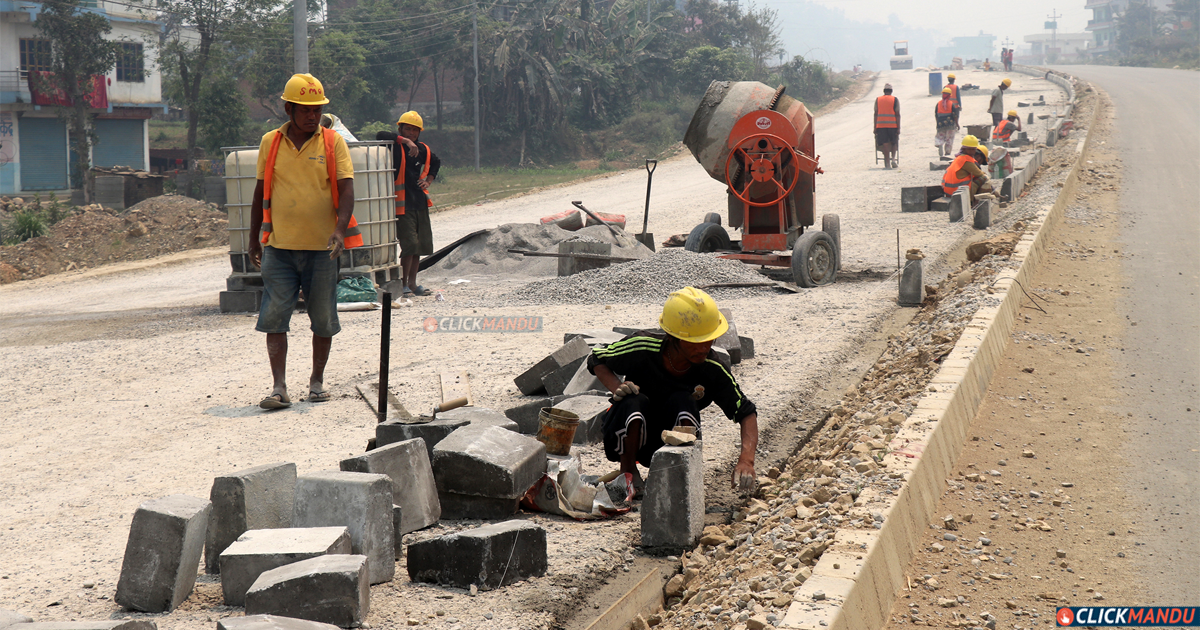
Official figures show that only 12 percent of the annual development budget had been spent in the first six months. For this fiscal year, the government had allocated Rs 407 billion for capital investment, but only a small fraction of that amount has so far been put to use, raising concerns about delays in infrastructure and growth-driving projects.
The pace of development spending is even weaker than last year. During the same period in the previous fiscal year, capital expenditure stood at 16 percent of the annual target, meaning this year’s performance is four percentage points lower.
To bridge the widening gap between income and spending, the government has been turning increasingly to debt. By mid-December, total borrowing had already reached Rs 175 billion, including Rs 147 billion in domestic loans and Rs 27.45 billion from foreign sources.
By mid-January, total borrowing had climbed further to nearly Rs 200 billion, underscoring the growing reliance on loans to keep the government running as revenue growth lags behind rising expenditure.

Comment Here