
Kathmandu: The government of Nepal has spent only 35.14 percent of its total budget in the first six months of the current fiscal year 2025/26 (2082/83), underscoring persistent weaknesses in public spending and project execution.
Of the total budget allocation of Rs 1.964 trillion for the year, government expenditure stood at just Rs 690.21 billion by mid-January, according to figures released by the Ministry of Finance.
The ministry has also revised its full-year spending projection downward, estimating that only 85.96 percent of the allocated budget will be spent by the end of the fiscal year. Based on this revised estimate, total government expenditure is now expected to reach Rs 1.688 trillion, significantly below the original allocation.
According to the revised projections, recurrent expenditure for the year is estimated at Rs 1.125 trillion, while capital expenditure, critical for infrastructure and long-term growth, is expected to reach only Rs 243.3 billion. Spending under the financial management heading, which includes debt servicing and related obligations, is projected at Rs 319.04 billion.
Although overall expenditure in the first half of the year rose by 3.39 percent compared to the same period last year, the Ministry of Finance acknowledged that the pace of spending remains well below expectations. The slow disbursement has raised concerns about the government’s ability to stimulate economic activity through public investment.
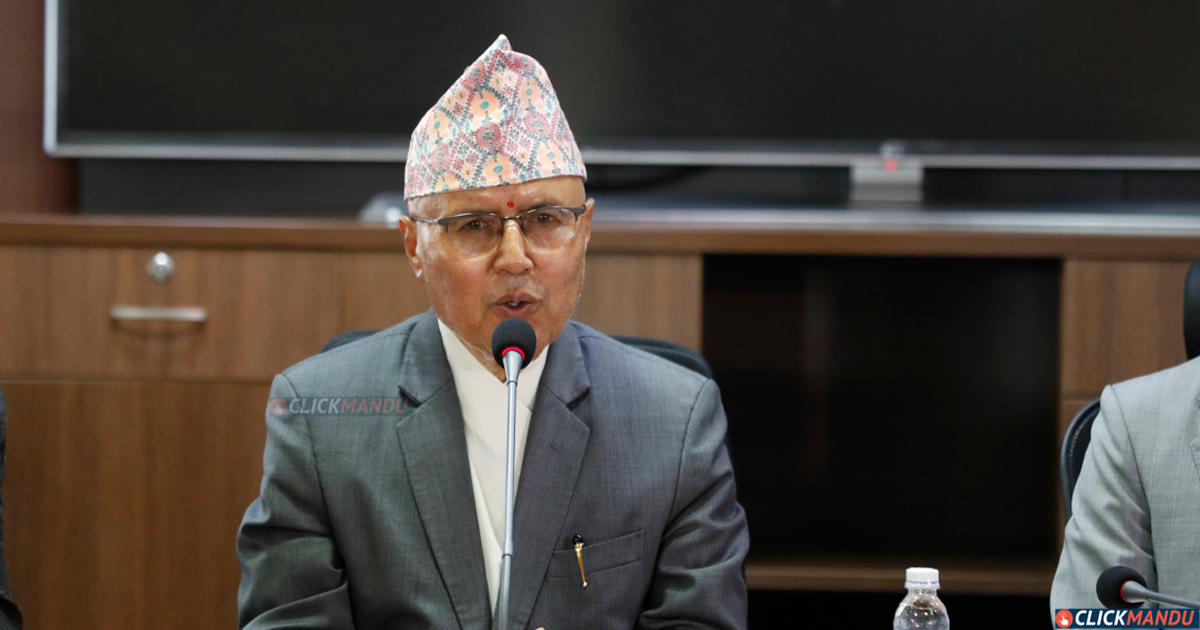
Finance Minister Rameshore Khanal said that election-related obligations have significantly constrained government spending, particularly on capital projects. The government has already earmarked Rs 30 billion for election purposes, which has limited fiscal space for development expenditure. He noted that while spending should have increased compared to last year, the need to prioritize election preparations has made it difficult to accelerate capital investment.
Khanal also revealed that of the Rs 119 billion in budgetary resources that had been frozen to manage election financing, projects worth Rs 42 billion have already been cleared for implementation. Despite this, the government recorded a budget deficit of Rs 130 billion in the first six months of the fiscal year due to weak revenue growth and the inability to mobilize sufficient resources.
The finance minister attributed low capital expenditure to multiple structural and administrative challenges, including inadequate project preparation, complications in land acquisition, difficulties related to the use of forest land, and damage to physical infrastructure caused by protests on September 8 and 9. He said these issues have repeatedly delayed project execution across sectors.
Khanal also acknowledged shortcomings in the government’s handling of health insurance financing. He admitted that the government created financial liabilities under the health insurance program without ensuring adequate budgetary provisions. Due to poor forecasting by the Ministry of Health, the necessary budget could not be arranged in advance.
He said the government has already disbursed Rs 1.72 billion for health insurance during the past six months from outside the originally approved budget framework. Additional funding for the program may be considered after the elections if resources remain available. However, he cautioned that the government is currently unable to meet an additional Rs 6–7 billion requested by the health ministry, a shortfall that has affected the smooth operation of the health insurance scheme.

Comment Here