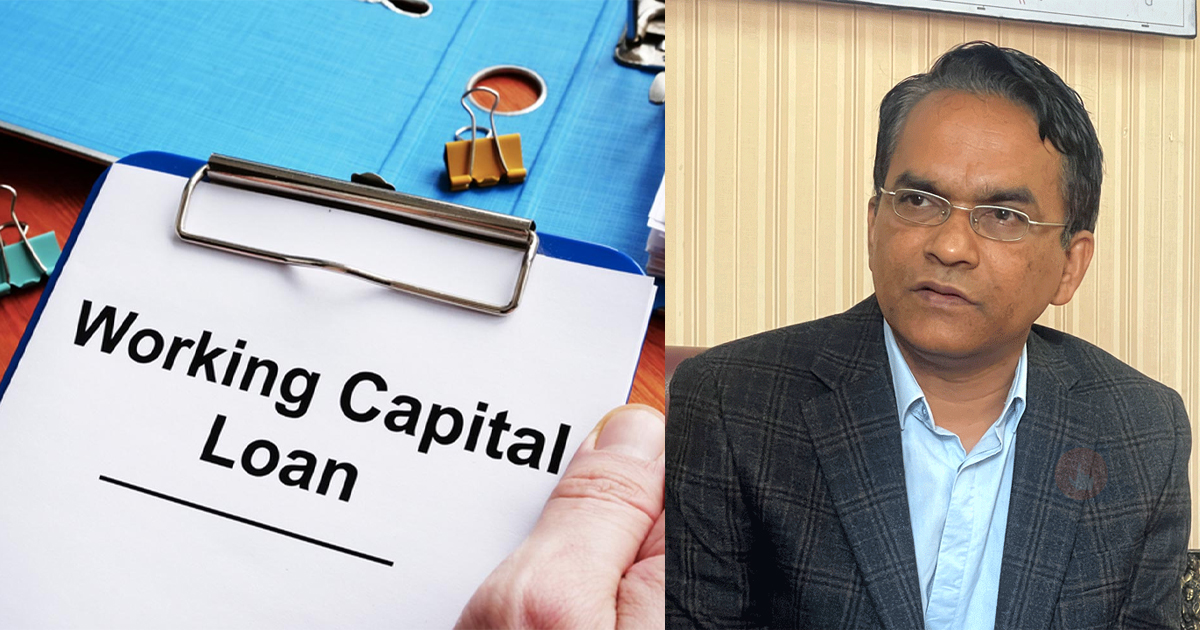

Kathmandu: Nepal Rastra Bank (NRB) is preparing to revise its working capital lending guidelines through the upcoming monetary policy review, with Governor Dr. Bishwanath Poudel personally engaging the private sector in consultations.
Although the central bank is required to publish its quarterly review within 45 days of the end of each quarter, it is planning to release the latest assessment this week as national elections approach.
Because of the election code of conduct, the central bank is not in a position to introduce sweeping policy changes. However, according to sources, Governor Poudel is considering adjustments to the working capital loan framework in a bid to restore investor confidence, which has weakened in recent months.
In the final week of Magh (late January–early February), he travelled outside the Kathmandu Valley along with senior officials, including Economic Research Department chief Dr. Ram Sharan Kharel and Banking and Financial Institutions Regulation Department Executive Director Ramu Poudel, to meet business leaders in major commercial hubs.
During these meetings, the governor sought direct feedback on problems businesses are facing under the current working capital lending rules. With differing assessments reportedly emerging among department heads during the process of appointing a deputy governor, Poudel opted to hear grievances firsthand and has continued consultations since late January.
Central bank officials acknowledge that the election code limits the scope for major reforms. Clause 7 of the Election Commission’s code of conduct, issued for the February 21 polls, prohibits government bodies and public institutions from announcing or implementing new policies, plans, or programs not already approved in the annual budget. As a result, the upcoming review is expected to feature only modest regulatory tweaks rather than structural changes.
Business leaders have raised concerns about provisions related to loan “variance,” cash flow difficulties in certain sectors, and rules that can require working capital limits to be reduced to zero at some point during the fiscal year. Sources say Governor Poudel has shown a willingness to facilitate practical adjustments where possible.
The policy debate comes against the backdrop of a slowing economy over the past three fiscal years, with credit demand remaining subdued. At the same time, deposits have continued to grow, creating excess liquidity in the banking system. Despite sustained liquidity absorption efforts by the central bank, the desired impact on monetary transmission has been limited, raising concerns among experts about the risk of a “liquidity trap.” Persistently falling deposit interest rates have also sparked worries about potential capital flight and the livelihoods of citizens who depend on interest income.
Although the central bank has already absorbed around Rs 900 billion from the banking system and issued Rs 200 billion in one-year central bank bonds, the measures have yet to produce significant changes in market conditions. With conventional monetary tools appearing increasingly ineffective, the forthcoming mid-year review of the current fiscal year’s monetary policy is seen as an attempt to fine-tune regulatory settings. Even within the constraints of the election code, Governor Poudel is said to be exploring limited regulatory relief to help rebuild private sector confidence following recent economic and social turbulence.

Comment Here