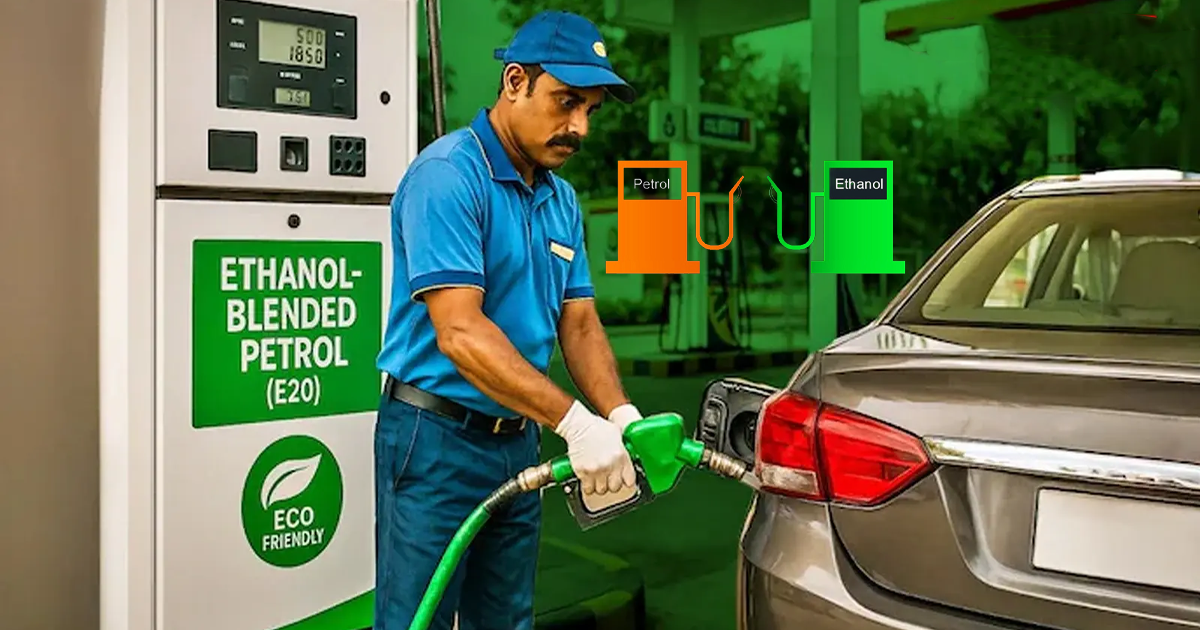

Kathmandu: After nearly 20 years of discussions and policy drafts, Nepal is finally set to introduce ethanol-blended petrol following Cabinet approval of the “Ethanol Blending in Petrol Order, 2082,” according to Dr. Chandika Bhatta, Executive Director of the Nepal Oil Corporation.
The long-awaited decision is expected to strengthen the country’s fuel security, reduce reliance on imports, and ease pressure on foreign exchange reserves.
Speaking at a policy discussion organized by the Nepal Economic Journalists Association, Dr. Bhatta emphasized that the initiative, which has remained confined to paperwork and debate for nearly two decades, must now move swiftly into implementation.
Representatives from the Office of the Prime Minister, the Ministry of Industry, Commerce and Supplies, the Department of Quality and Standards, Nepal Oil Corporation, and private sector stakeholders including Kiyan Chemical Industries participated in the event.
Under the newly approved order, petrol in Nepal can contain up to 10 percent ethanol. The fuel-grade ethanol will be produced from molasses generated by sugar mills, Napier grass, agricultural and forest residues, straw, corn cobs, wheat husk, and other non-food biomass. The order explicitly prohibits the use of grains meant for human consumption. Producers will be required to sell ethanol exclusively to Nepal Oil Corporation.
Dr. Bhatta welcomed the government’s decision, stating that once the order is formally published in the official gazette, the corporation will immediately finalize operational guidelines. Coordination is already underway with the Department of Quality and Standards to establish blending specifications and quality benchmarks. Infrastructure for ethanol storage and blending, he added, is largely in place.
Pricing remains a key concern. Making ethanol competitive with petrol will be challenging, but authorities plan to factor in government incentives and production cost assessments to ensure consumers are not burdened with higher fuel prices. A committee led by the Secretary of the Ministry of Industry, Commerce and Supplies will recommend procurement prices, which will require Cabinet approval. Nepal Oil Corporation will also introduce separate procurement regulations to streamline the purchasing process.
Officials believe ethanol blending will lower carbon emissions, improve engine performance, and reduce greenhouse gas output. Because ethanol will be domestically produced, the policy is also expected to cut petrol imports, narrow the trade deficit, support foreign exchange reserves, and generate new income and employment opportunities for farmers.
However, challenges remain. Nepal’s current ethanol production capacity is limited, raising concerns about meeting demand. Attracting private investment to scale up production will be essential, along with building public awareness about ethanol use and its environmental and economic benefits.

Comment Here