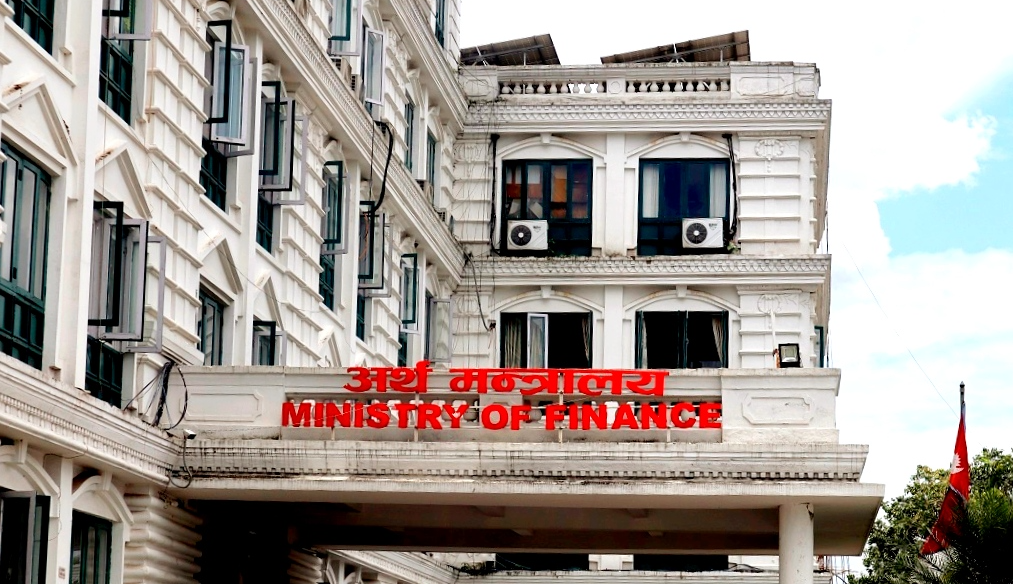

Kathmandu: The Government of Nepal has announced plans to introduce a nationwide property insurance scheme aimed at protecting both public and private real estate assets from natural disasters and other risks. The proposal is included in the “Second Five-Year Financial Sector Development Strategy” prepared and implemented by the Ministry of Finance.
Although insurance services have existed in Nepal for nearly eight decades, public confidence in insurance as a reliable mechanism for financial compensation after losses remains limited. Against this backdrop, the government is prioritizing property insurance to safeguard fixed assets owned by the state and citizens, particularly in a country highly vulnerable to earthquakes, floods, landslides, and other climate-related disasters.
The strategy outlines broader reforms to strengthen and expand the insurance sector. These include promoting green bonds and social bonds to align financial activity with environmental sustainability goals, and enhancing the risk-bearing capacity of domestic reinsurance companies so that more risks can be retained within the country rather than ceded abroad.
To expand insurance access, the government plans to promote bundled insurance products, index-based microinsurance, and innovative policies tailored to agriculture and livestock. Special emphasis will be placed on rural communities and low-income households through targeted microinsurance products. The strategy also calls for the development of weather index-based insurance guidelines and the restructuring of the Deposit and Credit Guarantee Fund under an insurance-based framework.
In addition, insurance services currently offered through non-banking financial institutions will be streamlined so that they are delivered through licensed insurance providers. The government aims to mobilize long-term capital generated by the insurance sector toward infrastructure and other high-return, long-duration investment projects, thereby supporting broader economic growth.
The strategy further proposes establishing an Insurance Development Fund, diversifying distribution channels, modernizing claims settlement systems, and maximizing the use of technology to make claims processing faster, more transparent, reliable, and customer-friendly. The Finance Ministry has acknowledged that premium collection and claims payments remain cumbersome and paper-based, often leading to delays and a lack of transparency.
Persistent challenges include multiple insurance coverage on the same asset, fraudulent claims, inadequate oversight mechanisms, and the need to integrate climate-related disaster risks more comprehensively into insurance coverage. The strategy also emphasizes the full implementation of risk-based supervision.
To bring low-income populations into the insurance net, the government plans to introduce simplified and accessible insurance products, strengthen partnerships with local governments, cooperatives, microfinance institutions, and community organizations, and conduct nationwide insurance awareness campaigns. Insurance education will be integrated into academic curricula, while corporate social responsibility funds will be mobilized to improve financial literacy. Authorities also intend to strengthen information systems, ensure effective management of the policyholder protection fund, establish robust grievance redress mechanisms, and enhance transparency and accountability among insurance companies.
Finally, the strategy underscores the need to strengthen regulatory and supervisory capacity, particularly by enhancing the authority and effectiveness of the Nepal Insurance Authority, improving the financial soundness of insurance companies, promoting product diversification, and reinforcing institutional governance across the sector.

Comment Here