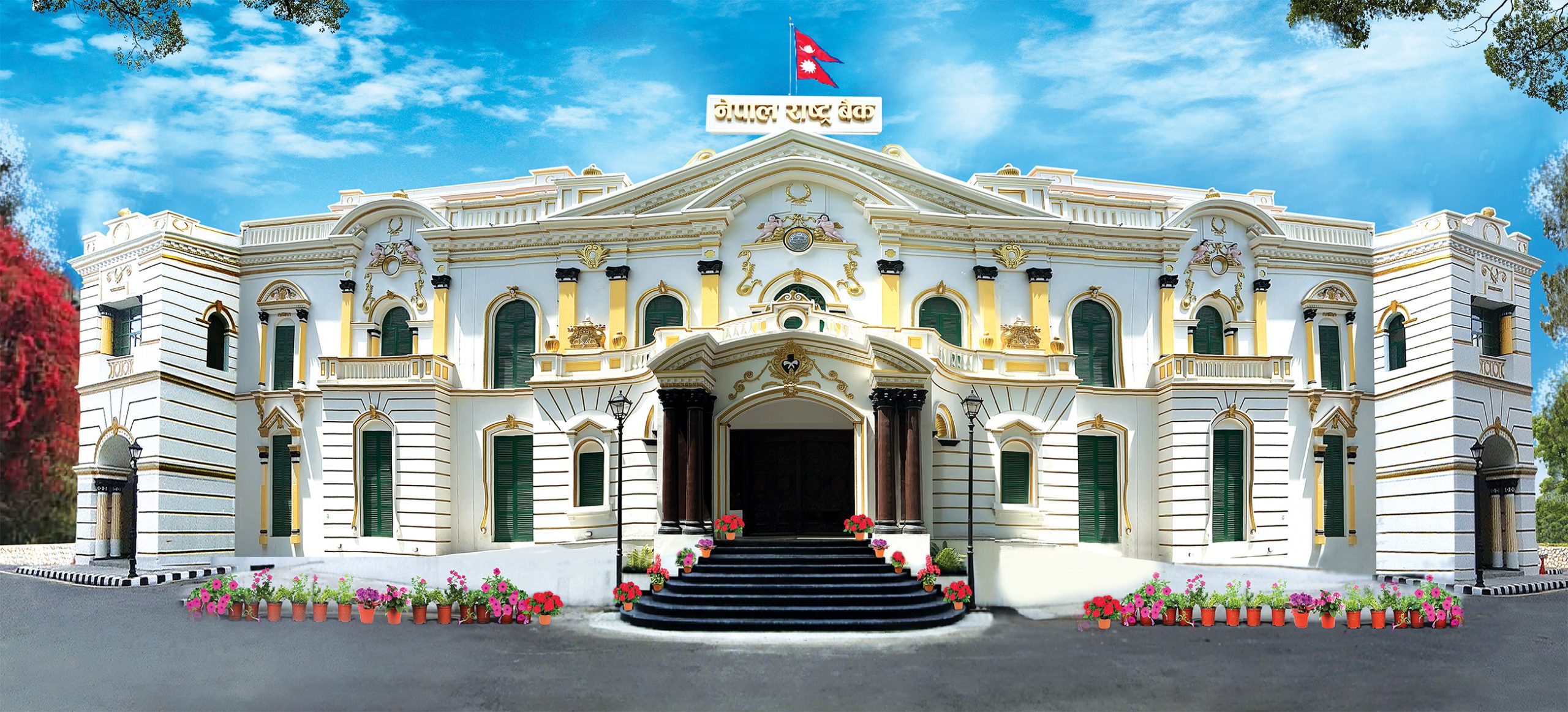

Kathmandu: With just over a week to go before Nepal’s parliamentary elections, the Nepal Rastra Bank on Tuesday unveiled its mid-year review of the current fiscal year’s monetary policy.
While the review is not directly tied to the upcoming vote on March 5, the central bank acknowledged that rising remittance inflows and election-related spending could lift overall demand and push inflation slightly higher. Even so, it expects inflation to remain below its 5.5 percent target ceiling.
In the original monetary policy for the fiscal year, the central bank had projected average annual inflation of 5.5 percent, broad money supply growth of 13 percent, and private sector credit expansion of 12 percent. However, inflation has remained lower than anticipated, and despite a steady decline in interest rates, credit growth to the private sector has fallen short of expectations.
Even with the election just days away, lending has not picked up. Instead, increased remittance inflows during the election period have further boosted bank deposits. Although the central bank has yet to release its latest macroeconomic report for the month of Magh, preliminary trends suggest credit growth remains subdued, while imports have shown some uptick during the election season.
In its review, the central bank announced key revisions to its working capital loan guidelines, long a point of contention for the private sector. Businesses had been calling for amendments since the directive was introduced three years ago. The revision follows direct consultations between Governor Dr. Bishwanath Paudel and business leaders in major commercial hubs such as Bhairahawa, Birgunj, and Nepalgunj. After years of resisting changes, the central bank has now opted for flexibility on the eve of elections.
Although the review anticipates a modest rise in inflation due to election-driven demand, the central bank appears to have struggled with liquidity management. Structural excess liquidity in the banking system has persisted, driving deposit interest rates steadily downward. Rates offered on deposits have now fallen well below Nepal’s average inflation over the past decade. Despite this, the central bank has not taken decisive steps to stabilize interest rates through effective liquidity absorption.
The bank maintains that ample foreign exchange reserves, high liquidity, and low interest rates have created a favorable environment for investment. Yet it has not fully analyzed the potential risks associated with prolonged low interest rates. With deposits swelling due to rising remittances, the system faces excess liquidity, but there appears to be little contingency planning should remittance inflows weaken and trigger a liquidity crunch.
The central bank’s recent regulatory relaxations are aimed at boosting investment and restoring confidence in a private sector weakened in part by recent youth-led protests. However, while prioritizing borrowers and investors, the bank risks overlooking depositors.
Sustained low interest rates, if left unchecked, could sow the seeds of future financial instability. If lending demand eventually rebounds and interest rates spike abruptly, as seen in the post-COVID period, the economy could face renewed volatility.
The review notes that the number of Nepalis seeking foreign employment continues to rise and that if remittance trends persist relative to imports, foreign exchange reserves are expected to remain strong through the remainder of the fiscal year. The central bank argues that abundant, low-cost financial resources within the system provide an opportunity to boost production, productivity, and employment.
It also projects that average consumer inflation will remain slightly below target this year, aided by falling global prices for crude oil and food commodities and subdued inflation in neighbouring countries. However, it cautions that geopolitical tensions and fluctuations in trade tariffs could still exert upward pressure on prices.
Overall, the central bank asserts that financial stability remains intact and that the recently approved Financial Sector Development Strategy will further strengthen and modernize the system.
Policy adjustments announced in the review include easing working capital loan rules, expanding concessional lending to sectors such as tourism, information technology, and export-oriented industries using domestic raw materials, and granting a six-month repayment window for borrowers blacklisted due to exceptional circumstances. Businesses affected by highway expansion projects along the Mid-Hill Highway and Mahendra Highway will also be eligible for loan restructuring.
Despite these investor-friendly measures, liquidity management remains a weak spot. Although structural excess liquidity in the banking system stands at roughly 900 billion rupees, the central bank has absorbed only about 200 billion rupees through bond instruments and has not indicated plans for further action. Notably, the monetary policy review remains silent on stabilizing interest rates even as they continue to decline, raising concerns about the longer-term balance of Nepal’s financial cycle.

Comment Here