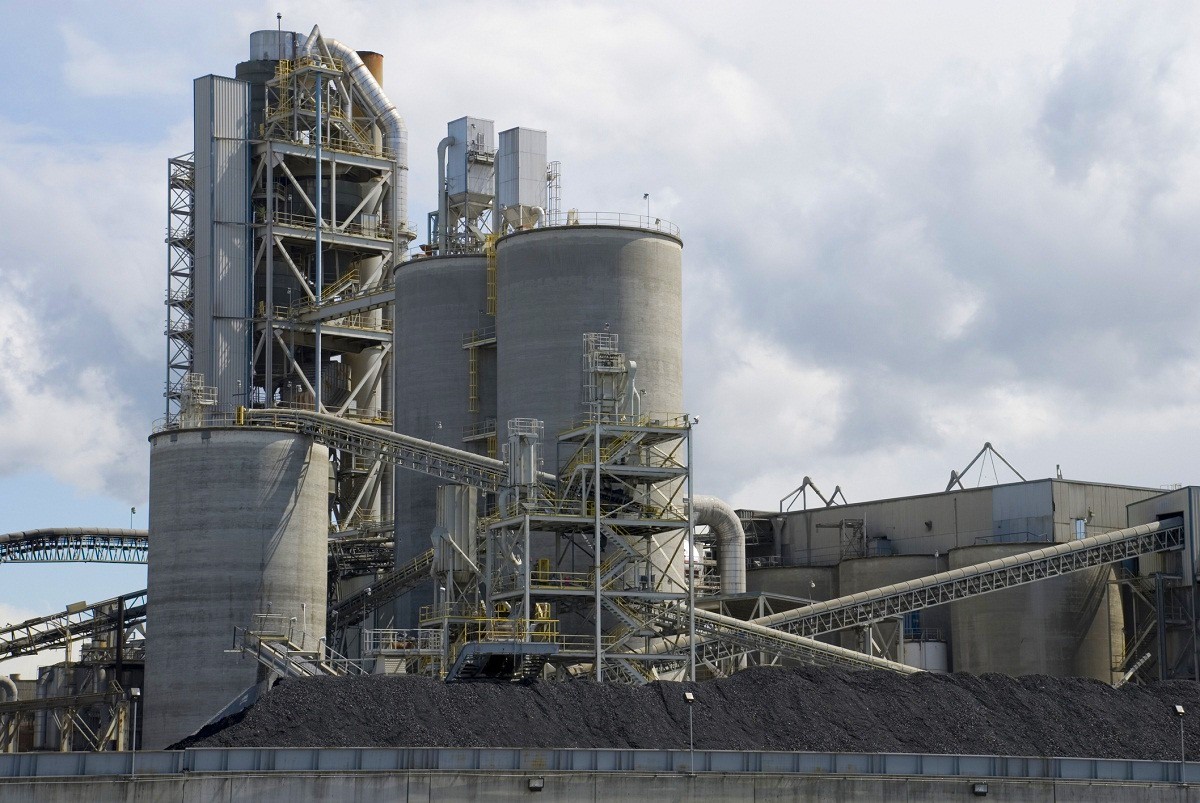

Kathmandu: Nepal’s government-owned Udayapur Cement Industry has once again halted operations after producing nearly 285,000 bags of cement over the past three months, as a lack of financial support from the government forced the factory to suspend production in early February.
Acting General Manager Kovid Kafle said the plant managed to operate intermittently during November, December and January, running for limited days each month, but mounting cash shortages made it impossible to sustain output. The factory is now focused solely on selling the cement already produced, using the proceeds to pay staff salaries and make partial repayments to raw material suppliers.
According to management, the plant is burdened with outstanding liabilities estimated between 800 million and 900 million rupees, particularly owed to Indian coal suppliers and other vendors. Of the 40 million rupees recently earned from cement sales, around half was spent on paying roughly six weeks of staff salaries, while the remainder went toward partial supplier payments.
The factory employs 193 permanent staff and around 60 security guards, many of whom had gone without pay for nine months during a prolonged shutdown.
The company’s board had requested a 240 million rupee loan from the Ministry of Industry, Commerce and Supplies to ensure continued operations, including the purchase of raw materials and maintenance of equipment. The ministry endorsed the request and forwarded it to the Finance Ministry, but officials said the funds could not be released because they were not allocated in the national budget and public finances are currently strained due to election-related spending pressures. Without the loan, production has once again stalled.
The plant, located in Jaljale, Udayapur, was originally established with grant assistance from the Government of Japan and had remained fully shut for nine months before partially resuming operations last November. Although its installed capacity stands at 800 metric tons per day, it had been operating at around 35 to 40 percent capacity, producing roughly 500 metric tons daily.
The revival followed public pressure from local youth groups and employees who opposed earlier government plans to privatize several state-owned enterprises, including Udayapur Cement and Hetauda Cement. The previous administration had initiated a valuation process to privatize seven fully state-owned industries, a move that sparked local protests amid concerns that valuable public assets would be sold off cheaply.
Despite its strong brand reputation in Nepal’s domestic market, long-term sustainability remains uncertain. Kafle argues that the factory’s outdated coal-based technology is a major obstacle. While private cement producers in Nepal have upgraded their plants and can now produce up to seven metric tons of cement from one metric ton of coal, Udayapur still produces only four metric tons per ton of coal.
This technological gap has pushed production costs to around 700 rupees per bag, compared to roughly 500 rupees for private competitors, making it difficult for the state-owned plant to compete. Kafle estimates that an investment of about 600 million rupees to modernize the plant could significantly improve efficiency and restore competitiveness, but until such funding materializes, the future of one of Nepal’s flagship public industrial projects remains uncertain.

Comment Here