
Kathmandu: A major irregularity in Nepal’s stock market has surfaced, exposing how trust-based trading practices between investors and brokers may have enabled the misuse of billions of rupees.
At the centre of the controversy is Bhrikuti Stock Broking, which allegedly handled funds worth over Rs 3.81 billion from institutional investors but failed to execute share purchases on their behalf. Instead, investigators suspect the money may have been diverted to finance stock-buying orders placed under a different individual’s name.
In Nepal, investors must route trades through brokers via the TMS (Trading Management System), often sharing login credentials and funds with brokers for convenience. While common, this practice operates largely on trust. In this case, the trust appears to have been exploited.
Major institutional investors, including Himalayan Reinsurance Limited, its subsidiary Himalayan Securities Limited, HLI Large Cap Fund under Himalayan Life Insurance, and Nepal Micro Insurance, had deposited large sums with the broker to purchase shares. However, no corresponding transactions were executed for them.
At the same time, a separate individual reportedly placed buy orders worth Rs 2.90 billion through the same broker and received shares without making any payment. Investigators believe the broker used funds deposited by the institutional investors to settle those trades.
The issue came to light during a probe by the Department of Money Laundering Investigation, which found that businessman Deepak Bhatta had acquired over 1.9 million shares, worth nearly Rs 2.90 billion, without paying the broker.
The shares were largely concentrated in Nepal Reinsurance Company, raising further suspicion about how such a large transaction was executed without collateral or payment.
Financial records showed a striking mismatch: the broker listed Rs 2.90 billion as receivables from Bhatta, while showing Rs 3.81 billion as payables to the institutional investors, suggesting a potential diversion of funds.
The probe deepened after Bhatta claimed he neither operated his TMS account nor possessed login credentials. He alleged that all trading activities under his name were conducted by others without his direct involvement.
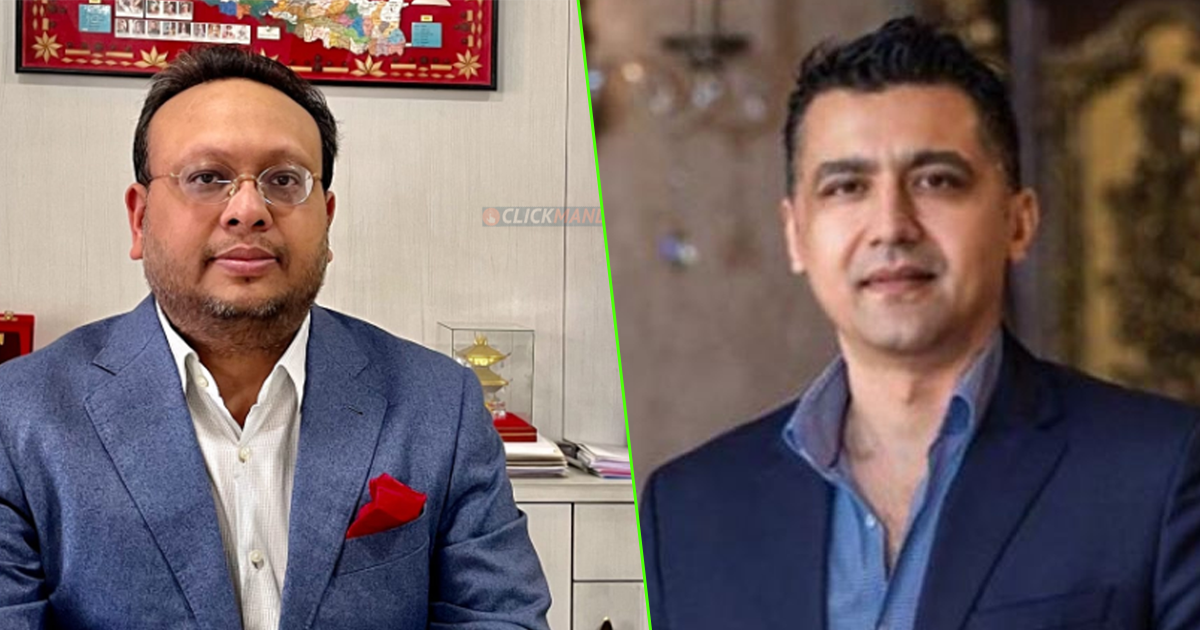
In a dramatic twist, Bhatta accused Sulav Agrawal, vice-chairman of Shankar Group, of orchestrating the transactions using his identity, claiming fraud and deception.
Following this statement, authorities have detained Agrawal and expanded the investigation. The Nepal Police’s Central Investigation Bureau is now tracing digital footprints of the trade orders placed through Bhatta’s TMS account to determine who actually executed the transactions.
Regulators, including SEBON and Nepal Insurance Authority have already submitted preliminary reports, while the Department of Money Laundering Investigation continues to lead the case.
The incident has raised serious concerns about systemic risks in Nepal’s capital market, particularly the widespread practice of handing over TMS access to brokers without adequate safeguards. As the investigation unfolds, the case could have far-reaching implications for market regulation, investor protection, and accountability within the financial system.

Comment Here