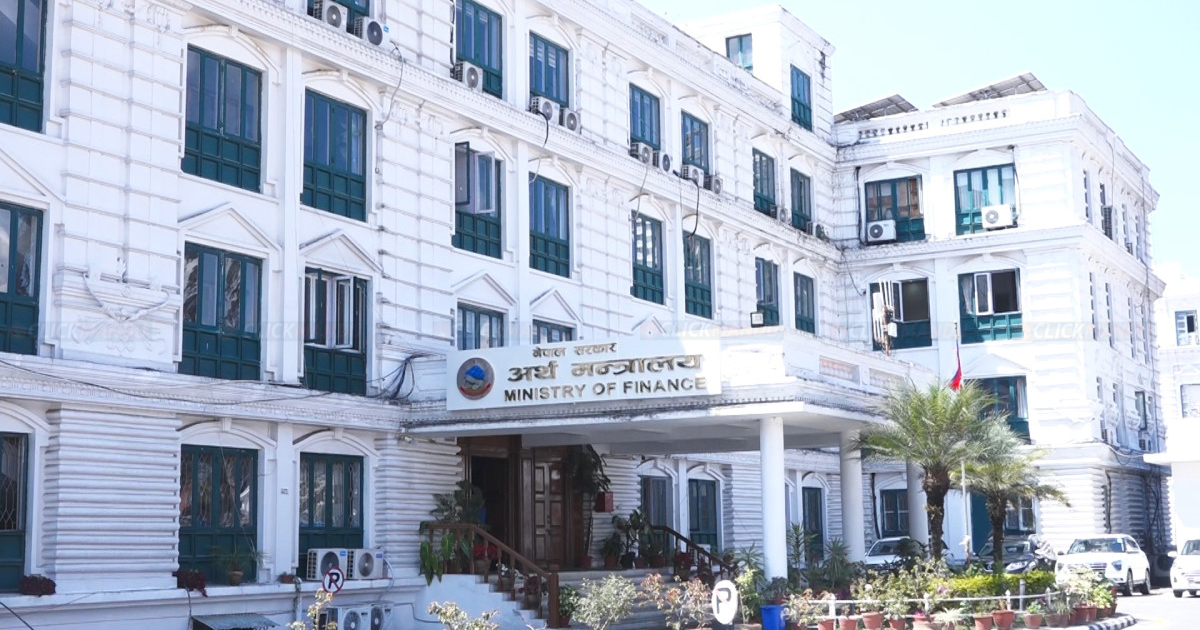

Kathmandu: The federal government has decided to pay civil servants every 15 days instead of once a month, marking a significant shift in the salary disbursement system. Finance Minister Swarnim Wagle approved the decision on Baisakh 4 and has already directed the Office of the Comptroller General to implement it.
Following the decision, authorities will develop a new system to facilitate bi-monthly salary payments, ensuring that government employees receive their wages in two instalments each month. According to the Ministry of Finance, this reform is aimed at modernizing the existing monthly payment structure. Officials say the move is part of a broader effort to energize the economy and introduce administrative improvements, while also making everyday financial management easier for employees.
The ministry believes the biggest benefit will be improved personal cash flow for workers. With money arriving every two weeks, employees will be better able to manage routine expenses without relying on credit for essentials like food and cooking gas. Regular and timely payments are also expected to reduce financial stress and boost morale among civil servants.
Authorities further argue that the policy could stimulate economic activity. More frequent access to cash is likely to increase spending capacity and consumer demand, helping inject liquidity into the market at a time when demand has been relatively weak. This, in turn, could support business activity and contribute positively to government revenue.
From a fiscal management perspective, the new system is also seen as beneficial. Instead of releasing billions of rupees in salaries at the end of each month, the government will distribute the financial burden in two phases, helping maintain a more balanced cash flow without adding extra financial liabilities or interest costs.
The implementation process is currently underway, with the Comptroller General’s Office working on the necessary procedures and modalities. While a full rollout timeline has not yet been finalized, officials say there is no need to wait for the next fiscal year to begin implementation. The system will initially be piloted among civil servants, with plans to gradually expand it to other public sector entities, and potentially the private sector, based on its effectiveness.

Comment Here