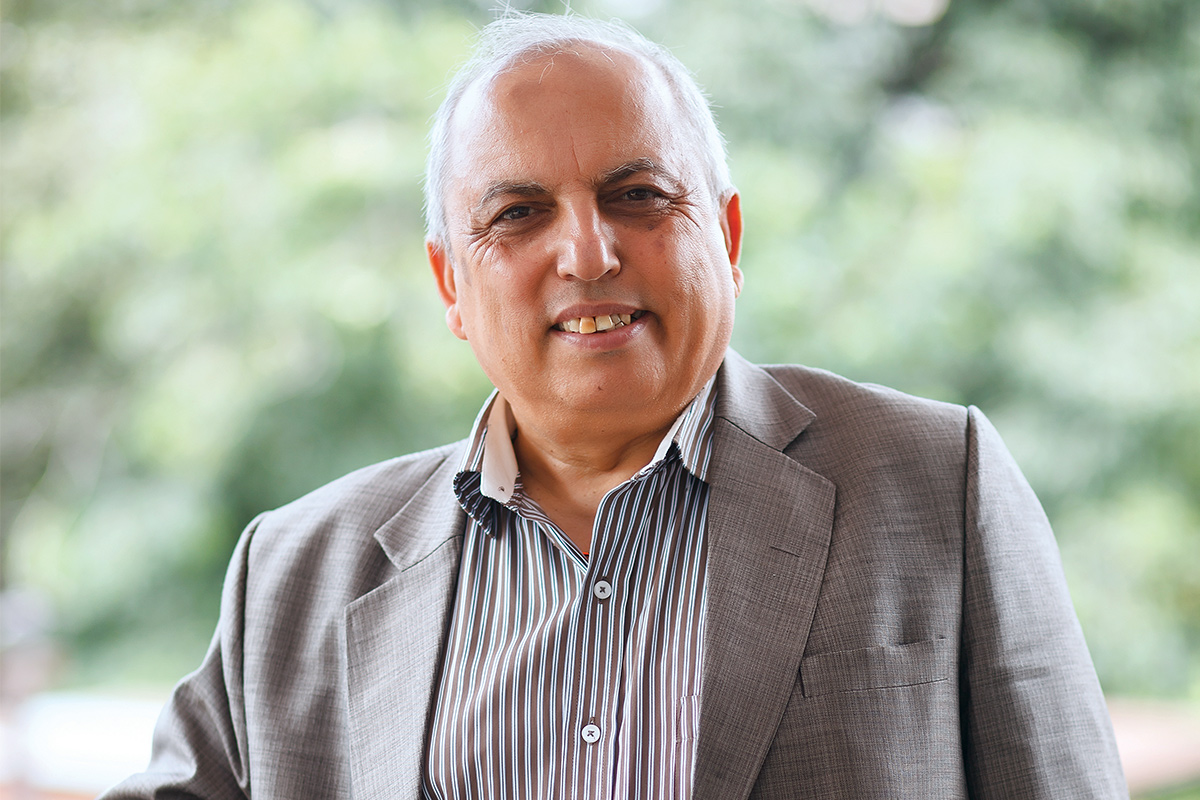

Kathmandu: Economist Dr Govinda Nepal has stated that internal cooperation and national unity are mandatory for the country’s development. Speaking at a post-budget discussion organized by the Nepal Economic Association, he emphasized that collaboration with external partners cannot be productive as long as internal conflicts persist.
Dr Nepal identified four primary pillars of development partnership: the private sector (both domestic and foreign investment), foreign aid (comprising grants and loans), fiscal federalism (involving provincial and local levels), and the cooperative sector. He provided an in-depth analysis of how the current budget addresses and aims to strengthen these key areas.
Citing a recent report from the National Planning Commission, he noted that approximately 80 per cent of Nepal’s budget is aligned with the Sustainable Development Goals (SDGs). However, he expressed concern over the steady decline in domestic investment over the last decade, pointing out that private sector investment has shrunk from 19 per cent to 14 per cent due to factors like the COVID-19 pandemic and the lack of a conducive investment environment.
Despite the decline, he highlighted that the private sector contributes 74 per cent to capital formation and nearly 81 per cent to the GDP when including household contributions. While he acknowledged positive budget measures such as business recovery loans, the single-window system, and the “Investment Express” initiative, he noted a growing rift between the government and private service providers in the construction, education, and health sectors.
Regarding foreign investment, Dr Nepal remarked that Nepal’s global share remains very weak. While efforts to involve Non-Resident Nepalis (NRNs) in the securities market and the introduction of diaspora bonds are welcome steps, tangible results are still awaited. Regarding foreign aid, he observed a recurring pattern of high commitments but low actual disbursement, estimating that aid mobilization for the fiscal year 2024/25 will likely be limited to 46 per cent, with grants making up only 20 per cent of the total assistance.

Comment Here