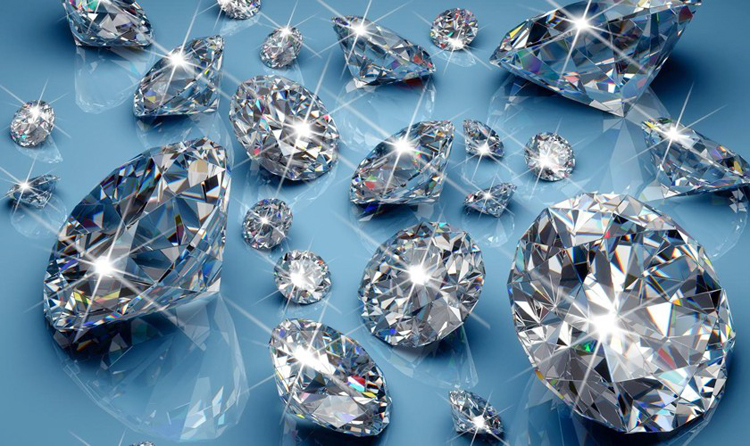

Kathmandu: The Nepal Gem and Jewellery Association has formally called upon the government to remove the Value Added Tax (VAT) currently imposed on diamonds and precious stones. During the association’s 20th Annual General Meeting in Kathmandu, industry leaders argued that the introduction of VAT through the current fiscal year’s budget has severely crippled domestic trade and necessitates an immediate policy reversal.
Addressing the inaugural session, Association President Sumanman Tamrakar highlighted that the VAT has made diamonds and precious stones in Nepal approximately 12 percent more expensive than in India. This price gap has driven Nepali consumers toward the Indian market, leaving domestic showrooms struggling to survive.
He warned that because these high-value items are small and easily concealed, the tax has inadvertently encouraged smuggling across the open border, causing diamond imports to drop by more than half compared to the previous year. While the government may see a minor increase in tax revenue, Tamrakar stressed that the move puts the livelihoods of thousands of entrepreneurs and hundreds of thousands of workers at serious risk.
The association also pointed out significant challenges regarding gold customs duties. Currently, India imposes a 15 percent duty on gold imports, while Nepal’s rate stands at 20 percent. This disparity encourages Nepali customers to purchase jewellery in India and fuels the illegal entry of raw gold into the country. Consequently, legally imported gold through banks remains unsold, creating a ripple effect that hurts the banking sector, businesses, and overall employment. President Tamrakar suggested that Nepal should shift its strategy toward competitive pricing to attract Indian tourists to buy jewellery in Nepal rather than maintaining policies that favour foreign markets.
Digital and administrative hurdles were also a key focus of the discussion. With gold prices hovering near NPR 300,000 per tola, the association argued that the current daily QR code payment limit of NPR 300,000 is insufficient for modern jewellery transactions. Similarly, the requirement for customers to fill out comprehensive ‘Know Your Customer’ (KYC) forms for cash purchases exceeding Rs 100,000 was labelled as outdated and impractical given current market values. Leaders urged the government to harmonize these limits with current economic realities to facilitate ease of doing business.
The association further demanded the abolition of the gold import quota system. While restrictions were initially placed on gold imports due to low foreign exchange reserves, industry leaders noted that Nepal’s reserves have now reached historic highs, making the quota system unnecessary. They argued that the raw material shortage caused by these quotas is stifling the growth of the jewellery industry and called for a transition to an open, competitive market. Additionally, they proposed that the reporting threshold for the goAML system be increased from Rs 500,000 to Rs 1,000,000 to reflect the actual cost of jewellery.
To boost international trade, the association proposed several export-oriented incentives. These include providing cash grants for the export of precious metal and stone jewellery and granting “deemed export” status to purchases made by foreign nationals and Non-Resident Nepalis (NRNs) using convertible foreign currency. They also requested that the government allow jewellers to maintain foreign currency bank accounts to deposit earnings from such sales and suggested a refund mechanism for customs duties paid on raw materials used in exported goods.
The chief guest of the event, Member of Parliament Ganesh Parajuli, encouraged the association to formally present these issues to the parliamentary Committee on Industry, Commerce, Labour, and Consumer Interest. He emphasized that the government views the private sector as the primary engine of economic growth and is committed to fostering a business-friendly environment. Parajuli assured the entrepreneurs that their grievances would be addressed through collaborative dialogue between lawmakers, ministers, and stakeholders.
The general meeting also saw participation from senior leaders of major business umbrellas, including FNCCI Senior Vice President Surkrishna Vaidya, CNI President Birendra Raj Pandey, Nepal Chamber of Commerce Vice President Deepak Shrestha, and the association’s immediate past president Jyotsna Shrestha. They collectively noted that while the gem and jewellery sector contributes significantly to the national economy, it continues to be hampered by procedural complexities and inconsistent policies that require urgent government attention.

Comment Here