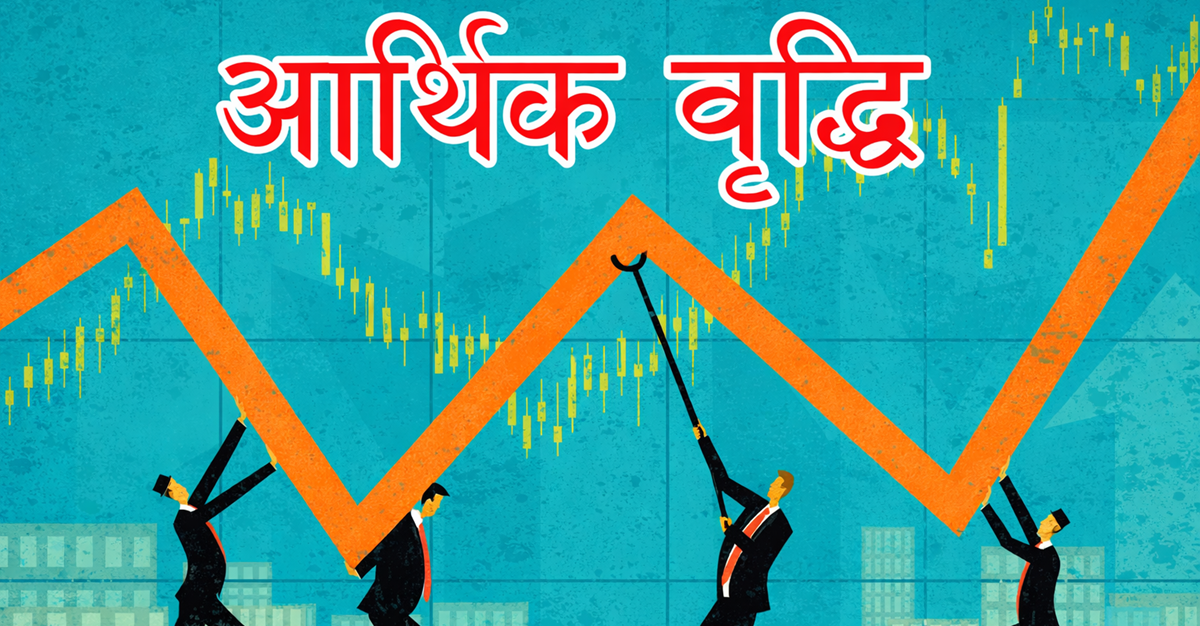

Kathmandu: The National Statistics Office (NSO) has released its preliminary national account estimates for the third quarter of the current fiscal year, projecting a 3.51 per cent growth in Nepal’s Gross Domestic Product (GDP).
According to the report published on Monday, this figure represents the non-seasonally adjusted growth rate compared to the same period of the previous fiscal year. The projected expansion is largely attributed to a general recovery in various economic activities at basic prices when measured against the performance of the corresponding period in the last fiscal year.
The NSO highlighted that significant gains in electricity production and distribution, an uptick in bank deposits and lending, higher non-life insurance premium collections, and a recovery in trade services were the primary drivers behind this quarterly expansion.
However, the overall economic momentum remained somewhat subdued due to several domestic challenges. A decrease in the import of construction materials, a downturn in paddy production, and a decline in the domestic manufacturing of certain goods prevented the growth rate from reaching a higher trajectory, keeping it within a moderate range.
A sectoral analysis reveals a generally positive trend, with 16 out of 18 industrial classifications recording positive value-added growth. The electricity, gas, steam, and air conditioning supply sector emerged as the top performer, witnessing a remarkable 24.88 per cent surge. Other sectors showing strong performance include financial and insurance activities at 10.27 per cent, transport and storage at 7.83 per cent, and wholesale and retail trade at 5.25 per cent.
The agriculture, forestry, and fishing sector, which remains the largest contributor to the national economy, posted a modest growth of 1.58 per cent. While paddy production saw a decline, the sector remained in positive territory due to slight improvements in livestock and vegetable farming.
Conversely, the report noted a contraction in some areas; public administration and defence saw a decline of 1.59 per cent, while industrial manufacturing also experienced a slight negative growth of 0.54 per cent.
When looking at the data through the lens of seasonally adjusted figures, calculated using International Monetary Fund (IMF) methodology, the short-term momentum appears much slower. Comparing the third quarter directly to the second quarter of the current fiscal year (mid-October to mid-January), the overall economic growth is estimated to be just 0.58 per cent, reflecting a cooling of activity on a quarter-on-quarter basis.

Comment Here