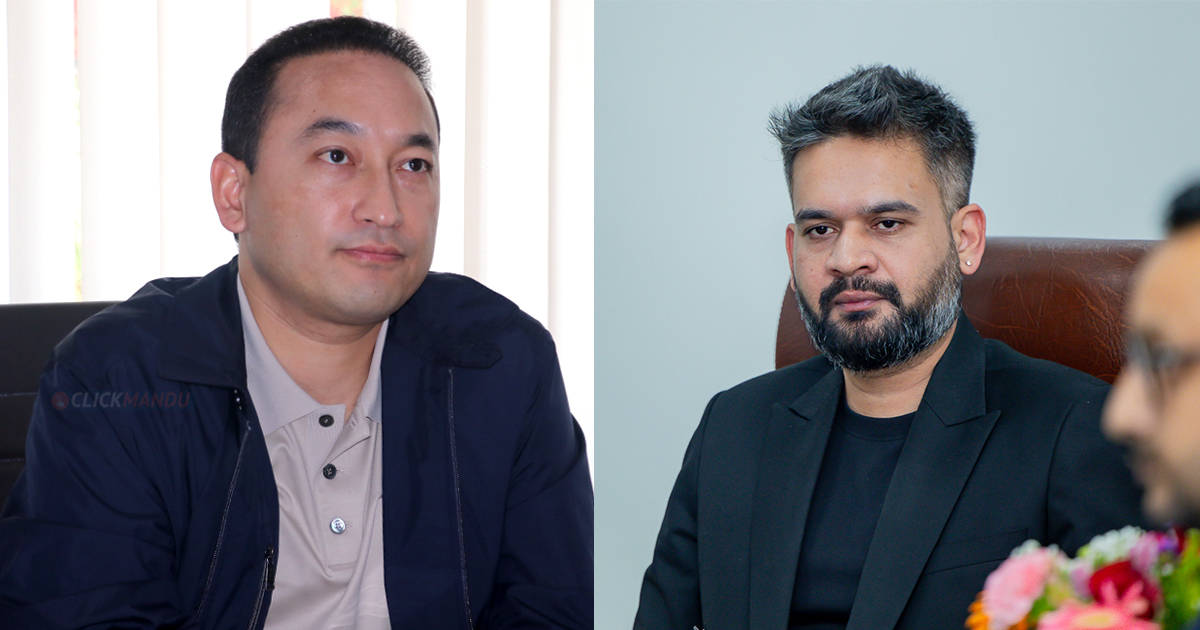

Kathmandu: Ujjwal Kumar Shrestha, Chairman of the Industry Committee at the Federation of Nepalese Chambers of Commerce and Industry (FNCCI), has stated that the private sector emerged from their recent meeting with Prime Minister Balendra Shah ‘Balen’ feeling significantly reinvigorated and optimistic.
Reflecting on the informal yet highly productive dialogue held at the Prime Minister’s Secretariat on Wednesday, Shrestha noted that the government’s explicit recognition of the private sector as the primary driver of the national economy is a milestone step toward recovery.
During the session, the Prime Minister did more than just listen to the standard list of grievances; he actively challenged the business community to think bigger. According to Shrestha, the Prime Minister pushed the delegation to present long-term, actionable plans rather than just highlighting immediate obstacles. Shrestha explained that while the FNCCI representatives clearly outlined the various policy and practical hurdles they face, the Prime Minister urged them to pivot toward a strategic approach, asking for a comprehensive roadmap for the future rather than a simple list of complaints.
One of the most encouraging takeaways for the business community was the Prime Minister’s commitment to consistent engagement. Rather than holding sporadic meetings every few months, the administration has pledged to maintain a continuous dialogue and partnership. Shrestha mentioned that this promise has infused entrepreneurs with new energy, as it suggests a departure from traditional, slow-moving bureaucratic interactions. The private sector used the platform to advocate for critical reforms, specifically regarding land ceiling limits for industries, the need for state-led export incentives, and the removal of various policy bottlenecks that currently stifle investment.
In response to these concerns, Prime Minister Shah indicated that the government is fully prepared to revise and relax restrictive, outdated laws that act as barriers to growth. Shrestha stated that the Prime Minister took detailed notes on these issues and signalled a willingness to create a more flexible regulatory environment. The business community is now preparing to return with concrete work plans, expressing a readiness to collaborate with the state through Public-Private Partnership (PPP) models, hybrid annuity frameworks, and the development of Special Economic Zones (SEZs) and industrial villages.
The dialogue also delved deeply into infrastructure development and the mobilization of private capital. Shrestha quoted the Prime Minister as suggesting joint studies to identify specific sectors where private involvement would be most effective, based on the sector’s equity capacity and expertise. Additionally, the meeting addressed the country’s struggling foreign trade and the importance of export promotion. Business leaders pointed out that previous government commitments regarding cash incentives for exporters remain unfulfilled, a concern the Prime Minister noted with seriousness.
Ultimately, the private sector views the government’s new stance as a refreshing change amidst a period of economic stagnation and policy ambiguity. Shrestha remarked that the Prime Minister’s proactive approach and clear intent to “unclog” stalled administrative processes have sent a powerful message to the market. Business leaders now believe that with the government’s supportive and open-minded strategy, the private sector can finally be empowered to revitalize the economy and drive sustainable national growth.

Comment Here