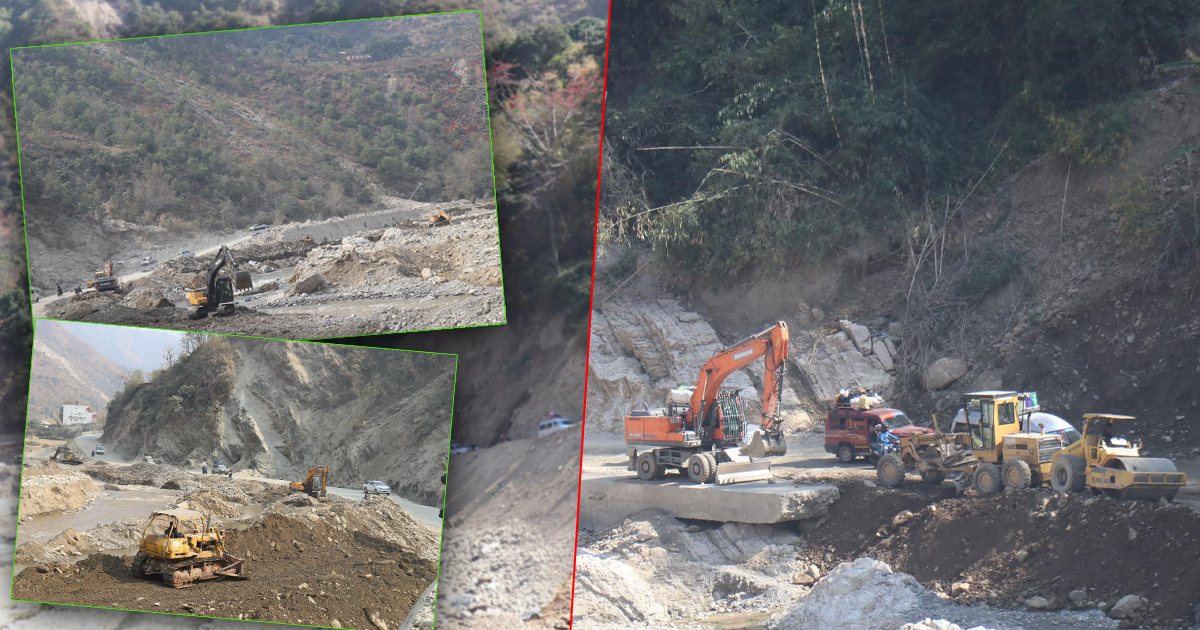

Kathmandu: The Government of Nepal faced significant challenges in implementing its development agenda during the fiscal year 2025/26, spending only 190 billion rupees out of a total capital budget of 407 billion rupees.
Despite the leadership of Balendra Shah, who campaigned on a platform of good governance and headed the government for the final three and a half months of the fiscal year, capital expenditure hit a low point compared to previous years. The government utilized a mere 46.79 percent of its allocated development funds, falling more than 53 percent short of its original spending targets.
The inability to mobilize resources effectively meant that the amount of money left unspent actually exceeded the total utilized for development projects. According to the latest data, the government failed to deploy 217 billion rupees of the total capital allocation for its intended infrastructure and development works.
Revenue collection also lagged behind expectations, reaching only 83 percent of the annual goal. While the government had set a target to collect 1.48 trillion rupees in revenue, it secured only 1.241 trillion rupees. When non-tax and other revenue sources are factored in, the total state income for the year stood at approximately 1.28 trillion rupees.
The gap between national income and expenditure remained a major point of concern, with total spending reaching 1.582 trillion rupees—surpassing total earnings by approximately 300 billion rupees. To bridge this widening fiscal deficit, the government relied heavily on a combination of domestic and foreign borrowing.
By the end of Jeth (mid-June), external loans totalled 79.46 billion rupees, while internal borrowing reached 338 billion rupees, bringing the total debt raised before the final month of the fiscal year to 418 billion rupees. This pattern underscores a persistent structural issue where the state continues to depend on debt to sustain an expenditure level that its actual revenue capacity cannot support.

Comment Here