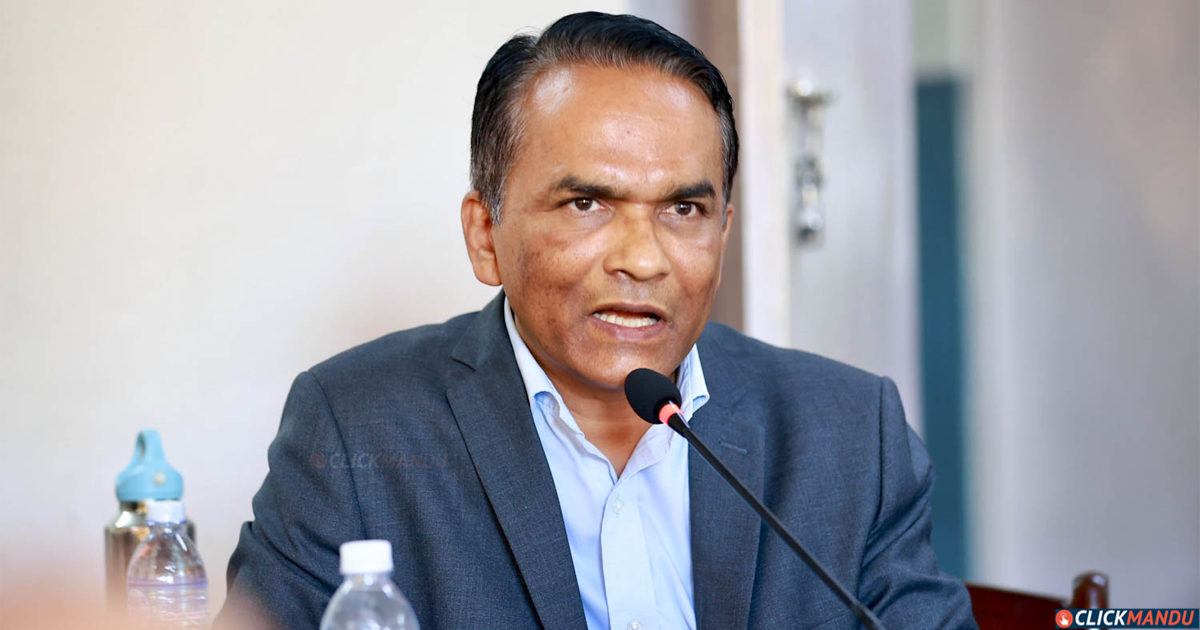

Kathmandu: Dr Biswonath Paudel, the Governor of Nepal Rastra Bank (NRB), has emphasized the urgent need to revise the Nepal Rastra Bank Act, 2058 BS, to ensure it remains time-relevant and internationally competitive. Speaking during a discussion on the “Nepal Rastra Bank Act Amendment Bill” at the Finance Committee of the House of Representatives, he stated that the legislative framework must be updated to address the rapid evolution of the global economy and the latest advancements in financial technology.
Reflecting on the historical context, Governor Paudel noted that the current Act was drafted during the global debates on central bank autonomy in the 1990s. While it served its purpose, he argued that today’s increasingly complex economic environment necessitates strategic modifications. He stressed that a primary concern is whether Nepal’s banking system can compete on a global scale, suggesting that the revised Act must carefully balance national interests with international standards, particularly regarding foreign exchange management and global institutional relations.
The Governor also highlighted specific technical areas where Nepal needs to enhance its capabilities, such as Central Bank Digital Currencies (CBDC), Stablecoins, and Sovereign Wealth Funds. Acknowledging that domestic expertise in these emerging fields may be limited, he urged the committee to simplify the processes for seeking immediate international technical assistance, rather than getting bogged down in cumbersome approval procedures. He further noted that a robust foreign exchange reserve is vital for the country’s international creditworthiness and called for transparent mechanisms in its mobilization.
Regarding the governance of the central bank, Dr Paudel shared that his experience does not suggest any undue interference from the presence of the Finance Secretary on the NRB Board. Instead, he maintained that the Secretary’s participation has historically improved institutional coordination and performance. He cautioned the committee against setting overly narrow experience criteria for the Governor and board members, which might limit the pool of eligible candidates. Additionally, he spoke against the necessity of a “cooling period” for retired officials, arguing that the state should have the flexibility to utilize the expertise of experienced professionals when needed.
Finally, Governor Paudel recommended that the NRB Board should be kept at its current size of seven members, warning that a larger board could lead to unnecessary complications and risks in the decision-making process. He concluded by urging the parliamentary committee to keep future financial stability and the evolving needs of the economy at the forefront of the amendment process, ensuring a more resilient banking regulator for the years to come.

Comment Here