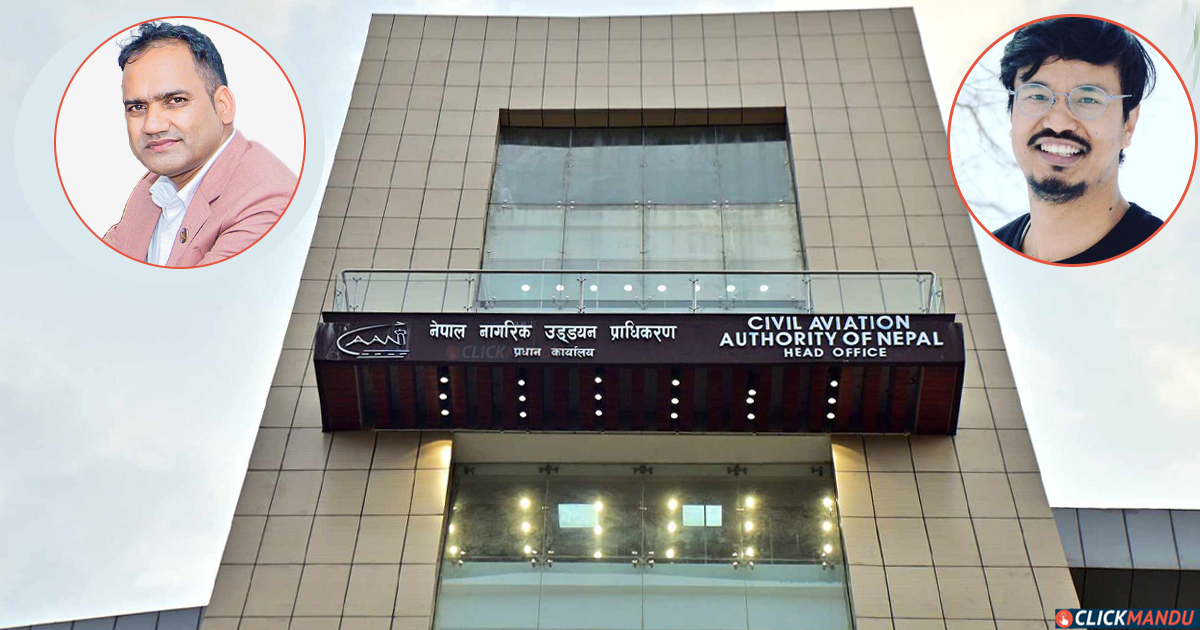

Kathmandu: The Government of Nepal is currently finalizing legislation to restructure the Nepal Civil Aviation Authority (CAAN) by dividing it into two distinct entities: a regulatory body and a service provider.
The Ministry of Culture, Tourism, and Civil Aviation has released the drafts of two new bills, marking the third attempt to present this significant aviation reform to Parliament. By separating these roles, the government aims to address long-standing international concerns regarding the conflict of interest inherent in having a single organization oversee both aviation safety and airport operations.
The Ministry has invited stakeholders to provide feedback on the draft “Civil Aviation Authority of Nepal (Amendment and Consolidation) Bill” and the “Nepal Air Services Authority Establishment and Management Bill.” Once suggestions are integrated, the bills will be submitted to the Council of Ministers for approval before moving to Parliament. After being passed by both houses and receiving presidential certification, the laws will take effect three months after their publication in the Nepal Gazette. This transition period will allow the government to establish the necessary infrastructure and administrative frameworks for the two new organizations.
This legislative move is a critical step toward removing Nepal from the European Union’s (EU) aviation safety list. Since 2013, the EU has banned all Nepali airlines from its airspace and issued travel advisories to its citizens due to safety concerns. Although the International Civil Aviation Organization (ICAO) has urged the separation of CAAN’s regulatory and service-providing functions since 2014, Nepal has previously been slow to implement these changes. The successful passage of these bills is expected to demonstrate Nepal’s commitment to international safety standards and help end its status on the aviation “blacklist.”
A notable feature of the proposed Nepal Air Services Authority Bill is the provision allowing the private sector to manage and operate airports. Under the new framework, the authority may, with government approval, enter into contracts with private or non-governmental entities through competitive bidding for airport operations. This policy could open the door for private management of underperforming or newly built facilities, such as the international airports in Pokhara and Bhairahawa, as well as smaller domestic hubs that the government currently finds difficult to sustain.
To address concerns regarding the transition of the existing workforce, the draft bills ensure that current CAAN employees will maintain their permanent status. Personnel will be automatically integrated into the service-providing entity, while those wishing to join the regulatory body must submit an application to the Ministry within 60 days of the law’s notification. Placements will be finalized based on qualifications and the nature of the work. For those who do not wish to transition to the new structures, a voluntary retirement scheme will be offered, and the bills explicitly state that existing salaries and benefits will be protected for all staff.
Under the new organizational hierarchy, the governance of the two entities will be led by high-ranking officials to ensure accountability. The Secretary of the Ministry of Culture, Tourism, and Civil Aviation will serve as the chairperson for the service-providing body, while the regulatory body will be chaired by the sitting Minister. This dual leadership structure is intended to provide clear oversight and strategic direction as Nepal enters a new era of decentralized aviation management.

Comment Here