
Kathmandu: The Government of Nepal has introduced a new provision allowing victims of natural disasters to access subsidized loans for the reconstruction of their private homes. This significant move comes following the first amendment to the “Working Procedure on Interest Subsidies for Subsidized Loans, 2025,” which has been updated to include housing support for those affected by calamities.
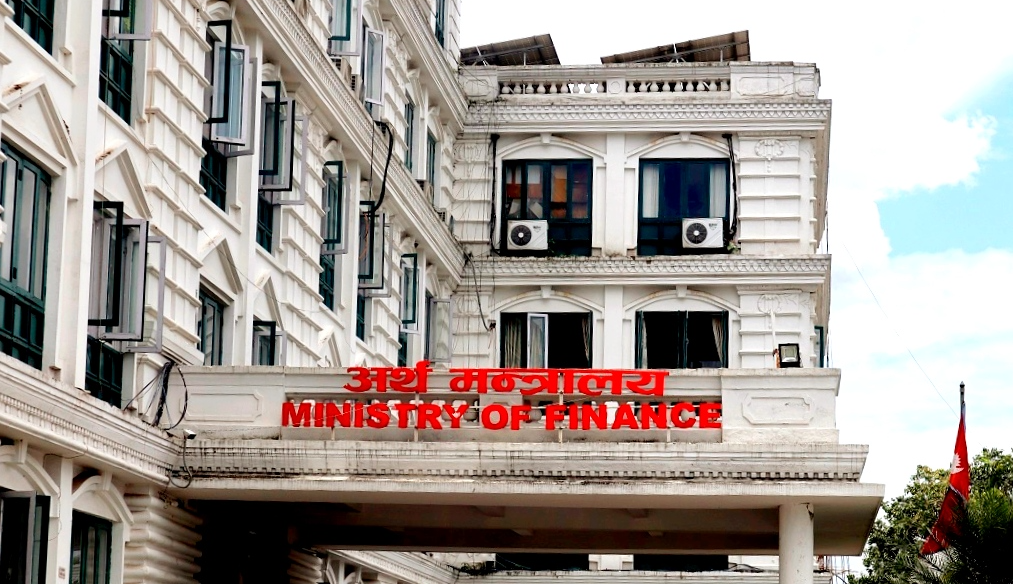
Exercising the authority granted by the Economic Procedures and Financial Accountability Act of 2019, the Ministry of Finance has formally issued the “Working Procedure on Interest Subsidies for Subsidized Loans (First Amendment), 2026.” This revised regulatory framework aims to streamline financial assistance and ensure that recovery efforts reach those in genuine need.
According to the new guidelines, disaster victims applying for these loans must provide a self-declaration stating that they have not received any other housing grants for the same property from the National Disaster Risk Reduction and Management Authority. This measure is intended to prevent the duplication of benefits while ensuring that reconstruction funds are distributed fairly among eligible households.
The updated procedure further clarifies that interest subsidies will remain available even when subsidized loans are renewed. For loans originally disbursed under the Integrated Working Procedure of 2018, borrowers can continue to enjoy interest subsidies for up to five years from the initial date of the subsidy commencement, provided the loans are maintained through renewal.
In a move to support borrowers facing temporary financial hardships, the amended rules allow banks and financial institutions to claim interest subsidies even if a borrower fails to pay an instalment in a particular quarter due to unavoidable circumstances. If the borrower clears all outstanding arrears and regularizes their account in the subsequent quarter, the subsidy for the missed period can still be claimed. However, the lending institution must verify that the loan was utilized for its intended purpose and that the reason for the delay was legitimate.
Furthermore, the government has clarified that for all loans issued under the original 2018 working procedure, the terms and conditions regarding interest subsidies, credit guarantees, and insurance services will continue to be governed by the previous regulations. This ensures that existing borrowers are not adversely affected by the transition to the new framework while maintaining administrative consistency.

Comment Here