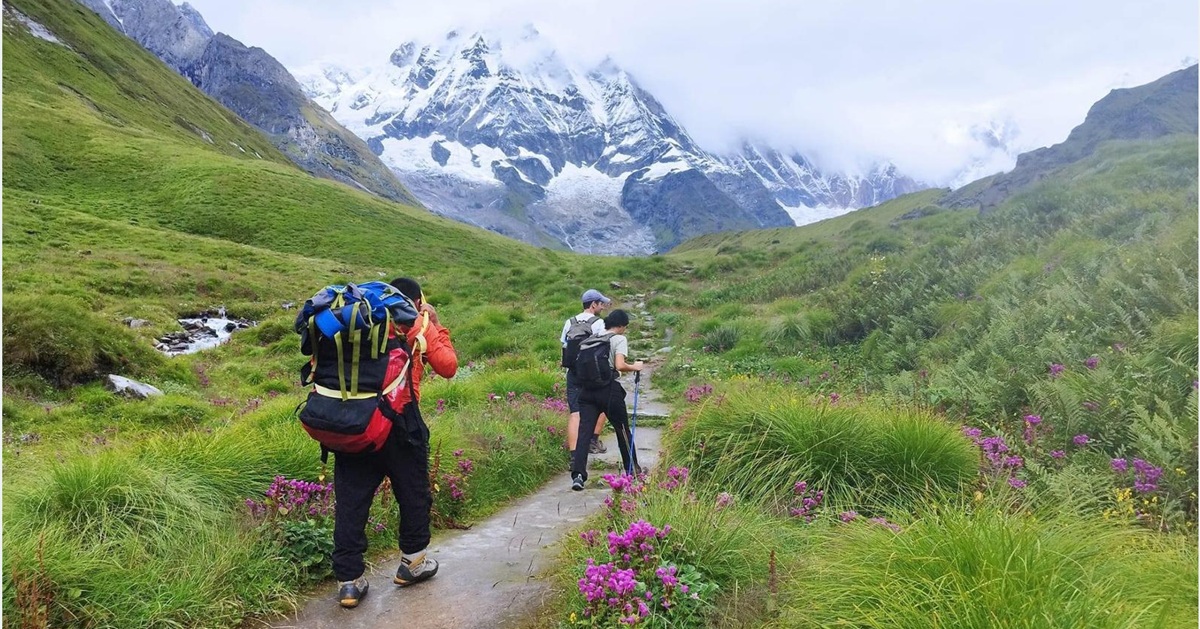

Kathmandu: Nepal welcomed a total of 91,363 foreign tourists via air in June 2026, marking a significant 19.5 per cent increase compared to the same month last year.
According to data from the Department of Immigration released by the Nepal Tourism Board (NTB), this figure also represents a substantial 22.01 per cent growth over the pre-COVID high recorded in June 2019, when 74,883 travellers visited the country. This upward trend underscores a robust recovery for the national tourism sector, surpassing even the most successful pre-pandemic performance for this specific month.
Regional neighbours continue to serve as the primary engine for Nepal’s tourism growth, with the SAARC region contributing 48,254 visitors, or roughly 52.8 per cent of the total monthly arrivals. India remains the single largest source market, accounting for 41,809 tourists.
Beyond the SAARC bloc, other Asian nations contributed 16,152 visitors, led by a resurgent Chinese market with 8,875 arrivals, followed by Japan, South Korea, and Thailand. This concentration of Asian travellers highlights the critical importance of proximity and regional marketing efforts in sustaining the industry’s momentum.
Western markets also showed a steady performance, with Europe contributing 13,119 tourists, led primarily by the United Kingdom, Germany, and France. Arrivals from the Americas totalled 6,954, with the vast majority originating from the United States. Notably, the Oceania region witnessed an exceptional surge, with 3,090 visitors arriving from Australia and New Zealand, a staggering 56.35 per cent increase from the previous year and a 57.17 per cent jump from 2019 levels.
Smaller segments of travellers were also recorded from Africa and the Middle East, indicating a widening global interest in Nepal’s diverse geographical and cultural offerings.
Senior NTB official Santosh Bikram Thapa attributed the sustained growth to improved international air connectivity, targeted promotional campaigns, and Nepal’s solidified reputation as a safe and premier travel destination. Building on this momentum, the Board plans to intensify its marketing activities in high-potential markets like India, China, the US, and Europe to prepare for the upcoming peak tourism season. These strategic efforts aim to ensure that the current growth trajectory remains consistent and contributes meaningfully to the national economy throughout the year.

Comment Here