
Kathmandu: In a stark indicator of Nepal’s deepening youth unemployment crisis, over 210,000 Nepalis secured labour permits and departed for overseas jobs in the first three months of the current fiscal year (July-September 2025), marking a sharp 23 percent rise from the previous year, according to the Department of Foreign Employment (DoFE).
DoFE data reveals that 210,516 individuals obtained labour approvals during mid-July to mid-October, up from 170,603 in the same period of FY 2024/25. This surge of 39,913 additional workers underscores persistent domestic job scarcity amid economic stagnation and high youth unemployment rates hovering around 20 percent, fueling Nepal’s reliance on remittances that account for roughly 33 percent of GDP.
Despite reports of disruptions from the violent Gen-Z protests in September—sparked by a government social media ban and anti-corruption fury, resulting in widespread vandalism, arson, and prison breaks—the flow to key Gulf destinations remains robust. The unrest, which claimed at least 72 lives and injured over 2,000, has prompted visa suspensions in the UAE for Nepali workers and students, alongside heightened scrutiny in Saudi Arabia, Qatar, and others over security concerns related to escaped inmates potentially blending into migrant streams.
Yet, figures show no immediate downturn: In Ashoj alone, 18,500 permits were issued for the UAE, followed by over 11,000 for Qatar, 8,791 for Saudi Arabia, and 4,523 for Kuwait. Last fiscal year, more than 839,000 Nepali youths sought opportunities abroad, highlighting a generational exodus that experts warn could intensify if the UAE’s visa halt—attributed to investigations into protest-related chaos—persists.
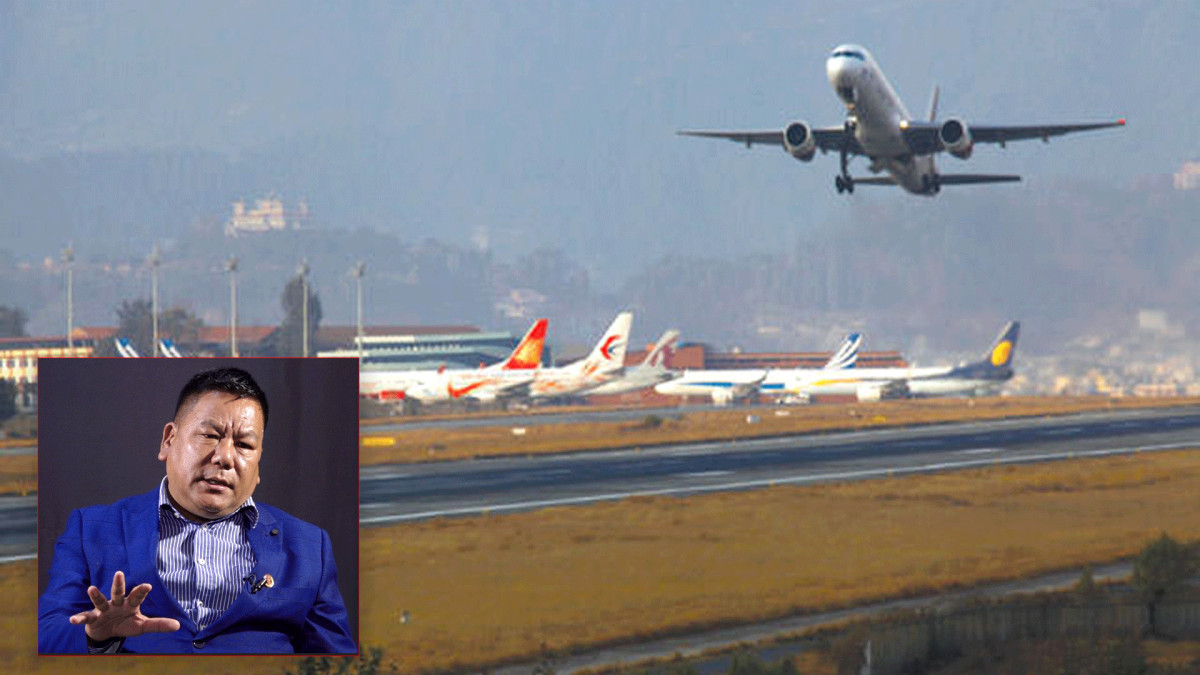
Foreign employment entrepreneurs attribute the uptick to labour shortages in destination countries, bolstered by worker-friendly legal reforms abroad and DoFE’s full digitization of permit services. However, Nepal Foreign Employment Entrepreneurs’ Association Chair Bhuvansingh Gurung cautions that the Gen-Z movement’s full repercussions may emerge later.
“Dubai has halted visas—not just for workers, but students too,” Gurung stated. “Other nations are probing whether escaped prisoners from Nepali jails might infiltrate as labourers, raising security flags, though restrictions remain mild beyond Dubai.”
Gurung noted a recent spike in demand from labour markets has driven the numbers higher, but he anticipates potential slowdowns as Gulf states tighten borders. DoFE echoes this, estimating that streamlined online approvals and host-country labour gaps have accelerated outflows, even as Nepal grapples with the protests’ stain on its global image, including informal visa curbs in Malaysia and Europe.

Comment Here