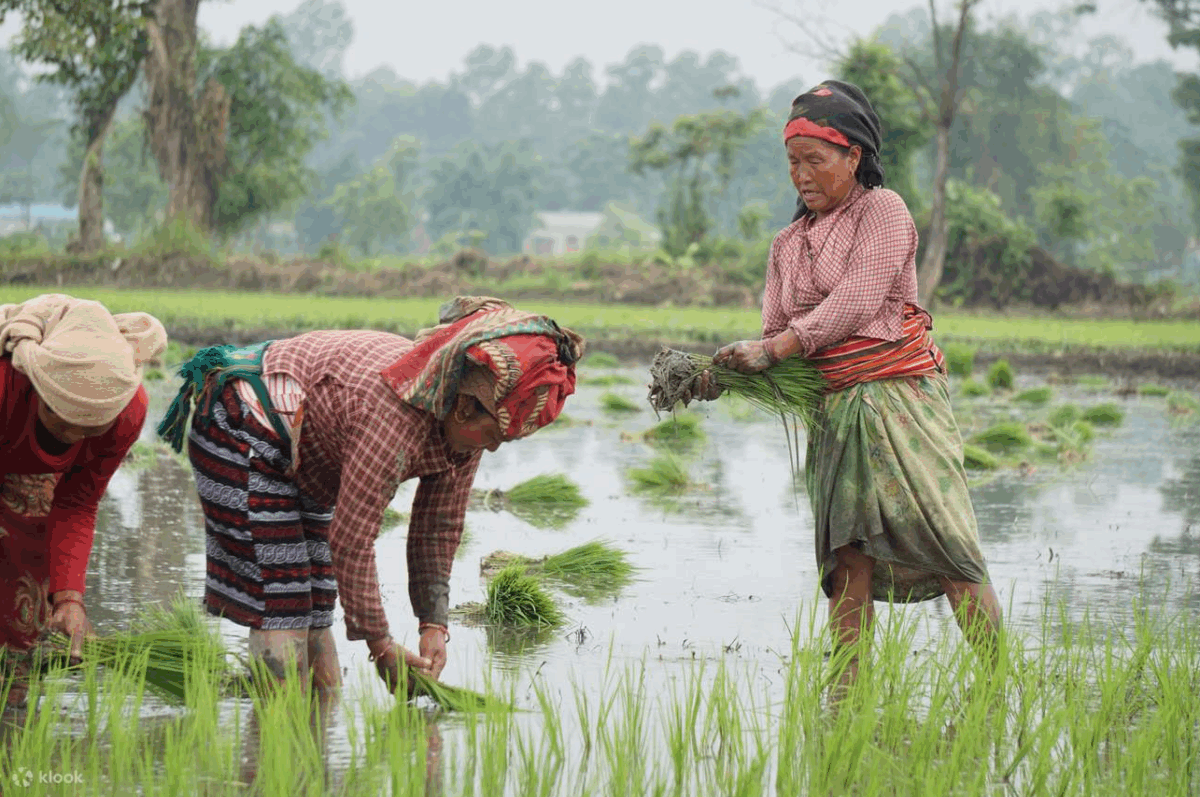

Kathmandu: Nepal’s paddy harvest is projected to fall by as much as 9 percent this season, dealing a fresh blow to food security in the Himalayan nation already grappling with chronic rice shortages and heavy reliance on imports.
Extreme weather – prolonged dry spells in the crucial Terai breadbasket followed by relentless rains and floods in October and November – has ravaged the summer monsoon crop, according to preliminary assessments from the Ministry of Agriculture and Livestock Development.
Only 94.9 percent of the targeted 1.376 million hectares were planted this year, with drought preventing transplantation on roughly 70,000 hectares, mostly in the southern plains. Subsequent flooding and waterlogging damaged or destroyed crops on an additional 137,000 hectares, pushing total losses close to 458,000 metric tonnes.
Ministry economists now forecast national paddy output at just over 4.64 million metric tonnes – down from 5.95 million tonnes last year – leaving a deficit of more than two million tonnes against annual domestic demand of 6.7 million tonnes. In rice terms, the shortfall translates to roughly 1.125 million tonnes, against a yearly consumption need of four million tonnes.
“The combined effect of drought in the planting phase and heavy rains during harvesting has been severe,” a senior ministry official told Clickmandu on condition of anonymity. “We are looking at a minimum 9 percent reduction, possibly higher once final provincial reports come in.”
The Terai’s Madhesh Province, which accounts for the largest share of Nepal’s rice area and is often called the country’s “grain silo,” suffered the worst of the drought, with planting completed on only 86 percent of its targeted area.
Flooding in October alone caused an estimated Rs 3.56 billion (US$ 26.5 million) in agricultural damage nationwide, hitting food grains, vegetables, livestock and fish farms. Madhesh and Koshi provinces bore the brunt, while Gandaki reported the heaviest livestock losses.
The ministry admits data collection has grown increasingly unreliable since Nepal’s shift to federalism dismantled grassroots agricultural extension networks. Provincial governments often submit estimates rather than verified field surveys, and some delay responses for months, officials concede.
Private-sector rice millers have long accused the government of publishing “guesswork” figures. Last fiscal year, Nepal imported over 530,000 tonnes of paddy and 241,000 tonnes of rice worth a combined US$ 300 million to plug similar gaps.
With another sizable shortfall looming, traders warn of upward pressure on rice prices in the coming months, further straining household budgets in a country where rice remains the staple for nearly all of its 30 million people.

Comment Here