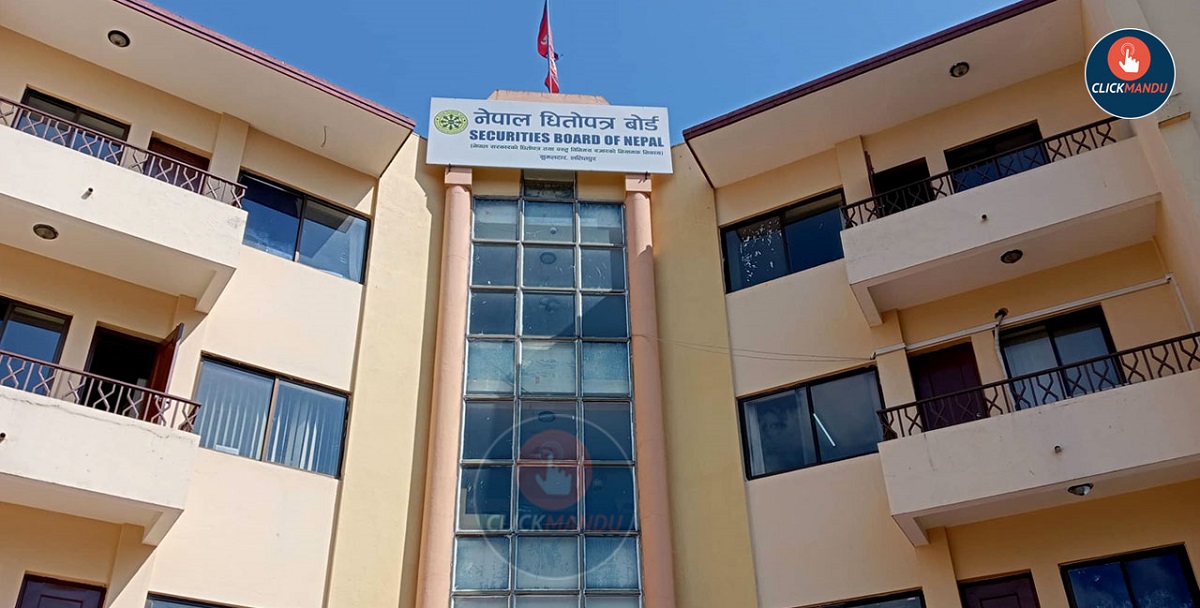

Kathmandu: Securities Board of Nepal (SEBON) has taken a major step toward modernizing the country’s capital market by unveiling a draft directive that will finally allow margin trading.
Under this system, retail investors will be able to borrow money from stockbrokers to buy shares, a common practice in most developed markets but long absent in Nepal.
The proposed “Margin Trading Facility Directive, 2082 (2025)” replaces an earlier 2017 rule that was never put into practice. Once implemented, it will give investors greater leverage while imposing strict eligibility criteria and risk-management requirements on both stocks and brokers.
Only financially sound and liquid companies will qualify for margin trading. A listed company must have at least five million public shares, a net worth equal to or higher than its paid-up capital, a track record of paying dividends in at least two of the past three years, and its IPO shares must have been listed for a minimum of two years. Additional conditions set by the Nepal Stock Exchange will also apply.
On the brokerage side, only well-capitalized firms will be permitted to offer margin loans. A broker must have a minimum paid-up capital of Rs 200 million and hold full clearing and depository membership, in addition to meeting all other exchange requirements.
The directive lays down clear margin rules. The initial margin will be calculated as a percentage (detailed in a schedule) of the lower of either the stock’s 180-day average price or its current market price. Positions and collateral will be valued daily on a mark-to-market basis, though investors will not be allowed to borrow more simply because their shares have risen in value. Brokers may demand higher margins than the minimum when they judge a client or the market to be risky, and a maintenance margin must be kept throughout the life of the loan.
Total lending is capped at five times the broker’s own audited net worth, while exposure to any single client and their immediate family is limited to 20 percent of that net worth. Brokers are also required to diversify their margin loan portfolios.
To keep the system transparent and secure, investors will need to open separate margin trading accounts and demat accounts. Brokers will maintain dedicated clearing accounts with the central depository, and in case of default or failure to maintain margin, brokers may liquidate pledged shares using a pre-authorised power of attorney.
The introduction of margin trading is widely expected to increase trading volumes and liquidity on the Nepal Stock Exchange (NEPSE), bringing the local market closer to international standards. SEBON is currently gathering feedback from the public and the industry before finalising and enforcing the new rules.

Comment Here