
Kathmandu: In a major step forward for regional energy cooperation, Bangladesh has agreed to import an additional 20 megawatts (MW) of hydropower from Nepal, increasing the current export volume from 40 MW to 60 MW.
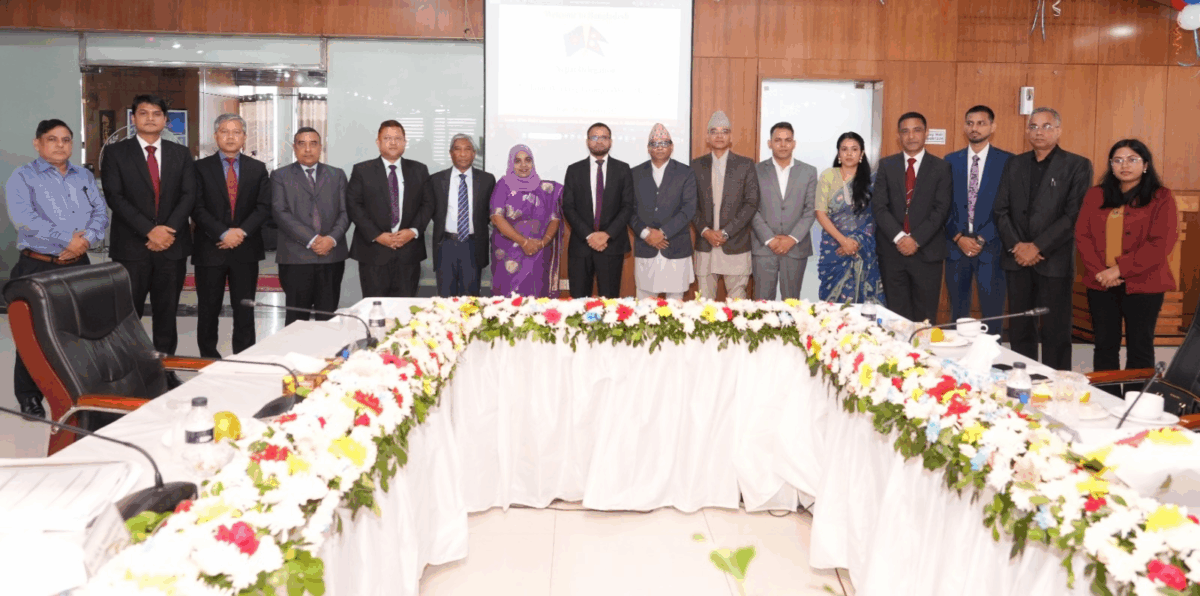
The decision was reached at the seventh meeting of the Nepal-Bangladesh Joint Steering Committee (at energy secretary level) held in Dhaka on Thursday. The committee, co-chaired by Nepal’s Energy Secretary Chiranjeevi Chataut and Bangladesh’s Power, Energy and Mineral Resources Secretary Farzana Mumtaz, finalized the technical and procedural steps required to operationalize the extra 20 MW supply in the near future.
The additional power will continue to flow through India’s grid using the existing Dhalkebar–Muzaffarpur and Baharampur (India)–Bheramara (Bangladesh) cross-border transmission lines. Nepal currently sells electricity to Bangladesh at a competitive rate of 6.4 US cents per unit during the five-month monsoon season (mid-June to mid-November), when the country generates surplus hydropower.
Energy Ministry spokesperson and Joint Secretary Sandip Kumar Dev confirmed that the meeting also paved the way for broader collaboration. Both countries will soon sign a Memorandum of Understanding (MoU) on renewable energy and energy efficiency. Bangladesh will provide technical assistance to Nepal in areas such as power system testing, electric vehicle charging infrastructure, and rooftop solar development. Capacity-building programmes for Nepali professionals will be rolled out.
Progress was also reported on the long-discussed Sunkoshi-III hydropower project (683 MW). Bangladesh committed to forming a specialist team to evaluate investment modalities and finalize the joint-venture agreement at the earliest.
The two sides reiterated their commitment to work jointly with India to formalize trilateral energy cooperation, including potential tripartite power trade and new cross-border transmission infrastructure.
Nepal first began exporting 40 MW to Bangladesh in October 2024 under a landmark tripartite agreement involving Nepal Electricity Authority, Bangladesh Power Development Board, and India’s NTPC Vidyut Vyapar Nigam (NVVN). Bangladesh has already publicly stated its goal of importing up to 9,000 MW from Nepal by 2040, while Nepal has a long-term agreement to export 10,000 MW to India over the next decade.
Thursday’s agreement marks another milestone in the steadily deepening energy partnership between Kathmandu and Dhaka, with India playing a crucial facilitating role through its transmission network.

Comment Here