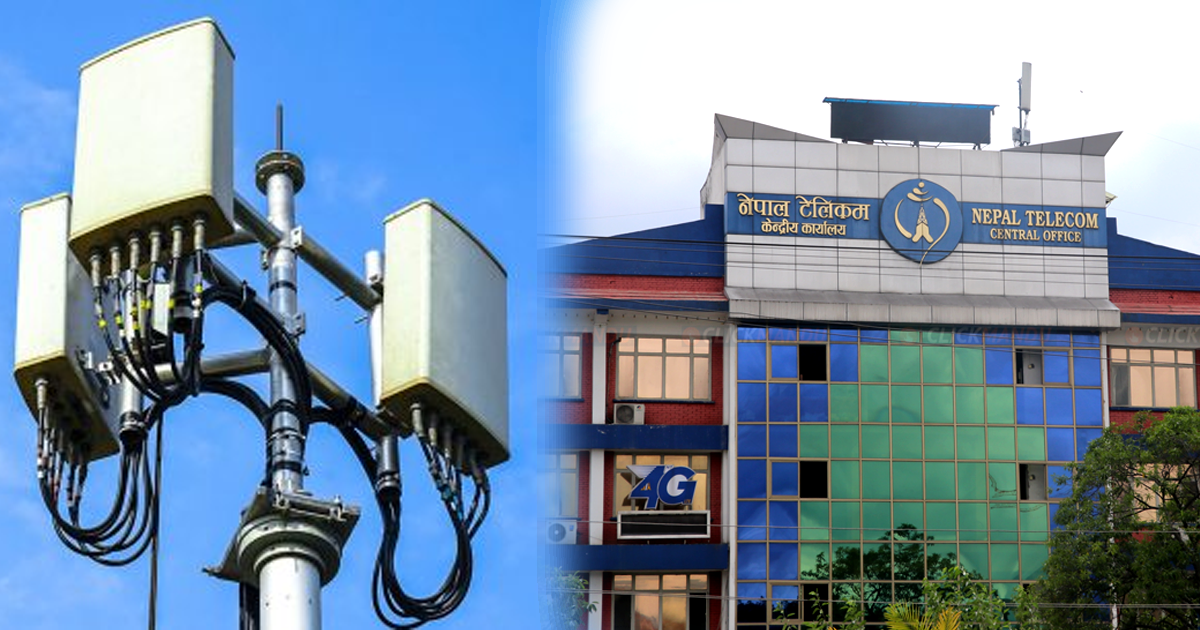

Kathmandu: Nepal’s state-owned telecommunications provider, Nepal Telecom, is under investigation by the Commission for the Investigation of Abuse of Authority (CIAA) for potential irregularities in its fourth-generation (4G) mobile network expansion project, launched about ten years ago.
As the probe intensifies, the company is reportedly planning to phase out “small cell” technology—a key component intended to enhance network coverage in densely populated areas—from the original contract awarded nearly eight years ago.
The 4G expansion, valued at around Rs 19 billion, was awarded to two Chinese firms: ZTE and Hong Kong-based China Communications Services International (CCSI), which primarily uses equipment from Huawei. CCSI was responsible for the radio access network.
Under the agreement, the contractors were required to install 640 base transceiver stations (BTS) and 5,500 small cells to ensure robust coverage. However, delays in completing the work, coupled with failures to meet deadlines under Nepal’s public procurement laws, have raised significant questions about the project’s execution.
Sources within Nepal Telecom informed local media that a complaint was filed this year alleging attempts by the Chinese companies to close the project with an additional payment of about Rs 8 billion. The investigation reportedly stems from these claims.
Additional factors cited include rising dollar exchange rates, increased project costs, and the need for extra work, prompting requests for further settlements. Despite this, the contract specified installing over 4,200 4G-compatible BTS units and the 5,500 small cells for targeted coverage.
Reports suggest the contractor submitted an undervalued bid for the small cells and has yet to fulfill that obligation. Nepal Telecom is now preparing to award a new billing system contract and is considering declaring the small cell requirement obsolete to facilitate this.
Insiders indicate that no payments have been made specifically for the small cells, and the company is working to avoid penalizing the contractor—which could lead to blacklisting—as that would prevent awarding future contracts, like billing, to the same firm.
According to company details, one type of small cell operating on the 2300 MHz band has already been discontinued, while another versatile type remains in use. For instance, the latter was recently deployed at a major cricket venue to handle increased crowds, enabling seamless video calls and live streaming.
The discontinuation of the 2300 MHz small cells is partly attributed to a sharp increase in frequency fees by the Nepal Telecommunications Authority two years ago, from Rs 400,000 to 9 million annually. This, along with low profitability, has led to delays in deployment.
As a result, Nepal Telecom has incurred losses estimated at Rs 540 million over the past six years due to unused frequency bands, paying around Rs 90 million annually in fees.
The main 4G project is nearing closure this fiscal year, following certification delays attributed to queries from oversight agencies.
The original tender in late 2017 divided the project into three packages: core network, network one, and network two. ZTE won the core contract worth about Rs 1.57 billion and completed it on time, while CCSI secured the larger Rs 17 billion portion for the other networks, which remains unfinished.
Critics note that Huawei had offered a lower bid of around Rs 3.5 billion at the time, but a higher-cost option was selected, allegedly to adopt a new system.
The contracts were signed in early 2018 under the then-managing director, amid political influences. These past decisions are now said to be complicating the transition to 5G, potentially requiring higher costs.
A Nepal Telecom spokesperson stated that the contractors are fulfilling their responsibilities as per the agreement and that any links between the 4G project participants and future billing contracts are unrelated. Detailed updates on progress, however, should be sought from relevant authorities.

Comment Here