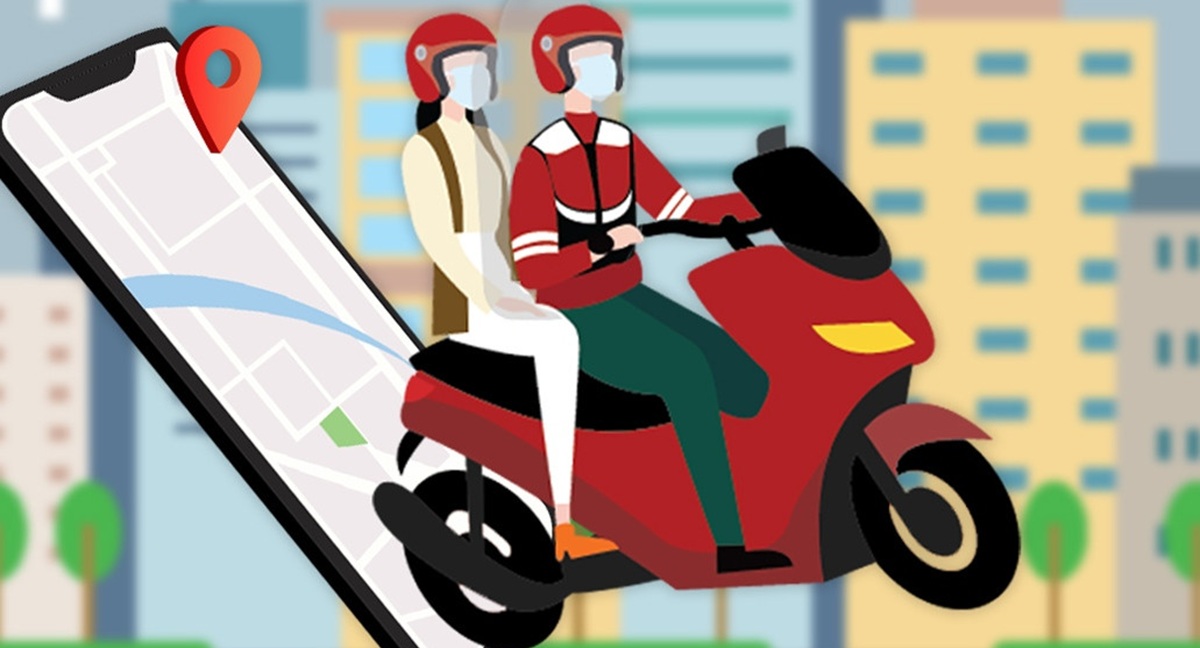

Katjmandu: Gandaki Province has introduced stricter regulations for ride-sharing services, now requiring motorcycles used for app-based rides to be officially registered as passenger vehicles.
The provincial government amended the Gandaki Ride Sharing (Regulation and Management) Rules, 2025, with the revised provisions published in the official gazette by the Ministry of Physical Infrastructure Development and Transport Management in mid-January.
Under the updated framework, any two-wheeler offering ride-sharing through online platforms must obtain authorization from the transport office as a passenger vehicle, similar to five-seat four-wheel public vehicles operating in the sector.
The rules define a ride-sharing vehicle as a licensed two-wheeler or five-seat four-wheeler using an online system to transport passengers, and ride-sharing service as passenger transport conducted through such platforms.
Motorcycles must now also obtain route permits, and both two-wheelers and four-wheelers face distance caps. A motorcycle ride cannot exceed 20 kilometres per trip within its approved operating area, while four-wheelers are limited to 50 kilometres. Apps must be configured so that trips beyond these limits cannot be booked.
The regulation also mandates visible identification marks. Two-wheelers must display a circular black logo five centimetres in diameter featuring red “SD” lettering, while four-wheelers must carry a similar black circular sign with larger “SD” markings.
The provincial government had earlier decided to legalize ride-sharing services and revived implementation after an earlier suspension prompted by protests from traditional transport operators and intervention from the federal government. After months of delay, the province has now moved ahead, citing constitutional provisions on coordination and cooperation.
Only four-wheel vehicles with up to five seats are eligible for ride-sharing operations. A monitoring committee led by the ministry’s secretary will oversee enforcement, with members drawn from the Chief Minister’s Office, relevant government offices, traffic police, consumer rights groups, and the division chief concerned serving as member secretary. Operating without authorization will invite legal action, and providing services beyond approved purposes will result in fines.
Transport entrepreneurs say vehicles must be clearly identifiable so passengers and the public can distinguish ride-sharing vehicles from others, noting frequent confusion involving platforms such as Pathao, Tootle, InDrive, and Yango. They argue the current logo requirement may still lack clarity and plan further discussions with the provincial government.
Fees have been revised downward. Annual service fees for motorcycles have been cut from Rs 5,000 to Rs 2,500, and for four-wheelers from Rs 20,000 to Rs 10,000. However, service providers must now deposit 2 percent of each transaction into the provincial consolidated fund, up from 1 percent. Operating without a permit carries a fine of Rs 100,000, while carrying offline passengers can lead to traffic police-recommended fines of Rs 4,000 for motorcycles and Rs 10,000 for four-wheelers.
The new rules formally allow private vehicles meeting set standards to carry fare-paying passengers. Companies offering ride-sharing or self-drive services must obtain provincial approval, paying Rs 25,000 for two-wheel authorization, Rs 50,000 for four-wheel authorization, or Rs 70,000 for both.
Vehicle owners must also pay separate fees, with renewal charges linked to engine capacity. If a registered operator changes the number of vehicles in service, the permit must be updated within the prescribed timeframe.

Comment Here