
I represent a company that has been an investor in Nepal for over 20 years. We are enthusiastic investors in Nepal and we believe that we should continue to invest in Nepal. This is a good place to invest. My company is also in the process of converting itself into a Nepali-owned company with majority Nepali ownership—steps that will take again a little bit of time, but demonstrate our trust in this market.
It’s a privilege to be here. It’s a privilege to witness this important piece of research, and we have to thank our friends at Clickmandu for taking the initiative to do this. There’s more work to be done in research, but I think this is a very important step.
Moments like this are valuable simply because they do not give us the answers, but they give us an opportunity to pause, reflect, and adapt. The movement existed before the events of September. It will exist after the events of September. But it reminds us of a fundamental thing: markets do not operate in isolation and businesses are deeply connected to the social, economic, and generational shifts shaping our world. This is not the first time this has happened. It happened in this country and other places in the world in the 80s; it happened in the 60s with the great movements in Europe and in America.
While our company has been intimately affected by the events in September, we take a broader view. And I recognize that this is not a unique set of circumstances, and you should as well, because the fix is not just a Nepali problem. Numerous societies around the world have had this kind of challenge recently—Madagascar, Bangladesh (two markets that I understand and have lived in very well), and even Kenya has had significant impacts over the last couple of years. We have all felt the impact of these youth and progressive movements.
It is important to note that the largest ICT market segment in all of these markets is among the young people of society. As a company, we must engage more, listen more, integrate youth into our decision-making more, and act with alacrity. Not just our company, but our institutions and our discourse. I am already fundamentally changing the structure of my company to better reflect the people that we serve in their demographics and in their gender diversity.
I say without criticism that we should examine ourselves and take a look at the list of speakers for today, all of us middle-aged or a little older men. No young people, no women. Investor confidence is not solely driven by financial indicators; it is influenced by trust—trust in institutions, transparency, transparency in the application of regulation, adaptability in the way we do things, and the relevance of the discourse in society.
From Ncell’s perspective, we operate in a sector that connects millions of people every day. We experience these shifts in real-time. Telecommunications, networks, social media are our bread and butter, our tools, and what we provide. Younger generations bring new expectations; they demand accountability from us, purpose, and digital excellence—which we don’t have. Let me just stop there for a moment. Anybody that walks into this country as a tourist—the 90,000 that came in January—most of them come with 5G phones and end up in a poor 4G network. We are 5 to 10 years behind even our neighbourhood in our IT infrastructure. They look for authentic engagement.
For investors, these are signals that we have to listen to. In fact, the kind of services that are offered by my company are basic rights and are graduating slowly to become—or actually quite quickly to actually become—human rights.
Periods of social generational change can initially feel disruptive, especially for old people like us. Investor sentiment often reacts quickly to perceived risk, but society shows us that resilient businesses, governments, and societies are those who interpret disruption not as a threat but as a signal to evolve. We need to take the big picture. Nepal is a great place to invest. You are prisoners of geography—a beautiful geography and also placed between two great giants. My own country, Canada, is neighbour to a major giant, a big giant, a currently misbehaving giant. And our need as Canadians to differentiate ourselves and make ourselves different is important, just as you have done over the last 40 years to distinguish Nepal from its neighbours.
We need to adapt our company and our society to a new reality. As a company, we have to navigate the temporary uncertainty around our regulatory status and environment. We are unleveraged—our balance sheet is unleveraged. We have the ability to raise money locally and internationally, even on a local stock market as a Nepali company, to raise 200 or 250 million dollars to bring in 4G and better networks here. Why? So that we can be competitive internally first, so we can provide better education and competitive advantages to our businesses so they can thrive locally and internationally, and then to attract foreign direct investment to the country to create jobs and opportunities for young people to find work and thrive here.
The energy of the Gen Z movement combined with informed business leadership and thoughtful investments can accelerate innovation, investment including FDI, and strengthened markets.
In my first month here in November, I travelled around the city and I saw the passport office, many times, slammed with people—all young people looking to leave. That is a tragedy. We need to fix that. We will do our part. We will become a Nepali company and we will do what we need to do over the next 20 and 25 years.
Investors increasingly recognize that companies that contribute positively to society are better equipped to withstand volatility. When business strategy aligns with social and economic impact, confidence deepens because stakeholders see longevity and not just quarterly performance. There are many other challenges, or I say opportunities: upgrading to 5G, bringing gigabit services to residences, boosting revenue and ensuring sustainability, contributing to the digital future building of the society. And as expectations evolve, our responsibility expands with it, and with it, opportunities to create value that resonates with consumers, the country, and the company.
Our research report arrives at the right time as this nation is in the process to hold an election to establish a new government. It provides insight into how generational movements influence business ecosystems and reminds us that investor confidence is dynamic. It must be nurtured through responsible leadership, long-term thinking, and a willingness to engage in change.
Let me close by saying the following: Looking ahead, I am optimistic. The energy of the Gen Z movement combined with informed business leadership and thoughtful investments can accelerate innovation, investment including FDI, and strengthened markets. Nepal holds immense potential for FDI and we will always advocate for that.
The test of the future and the test of Nepal is not in the events of September 2025. The test for Nepal is the resolution of the issues raised at that time. A productive, representative, peaceful, democratic exercise in March will show the world our society’s ability to recognize change, adapt to it, implement transformation, and build for the future. This is the test for Nepalis and those who are here for a time or for the rest of our lives.
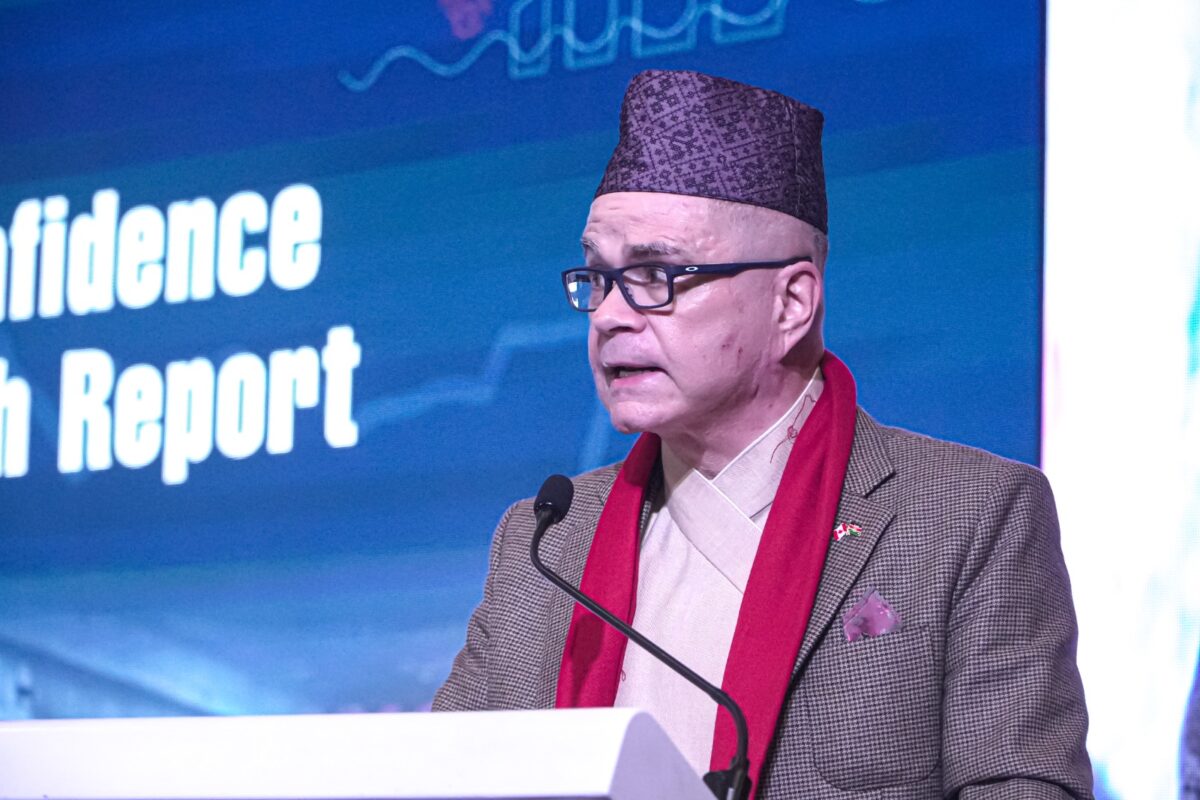
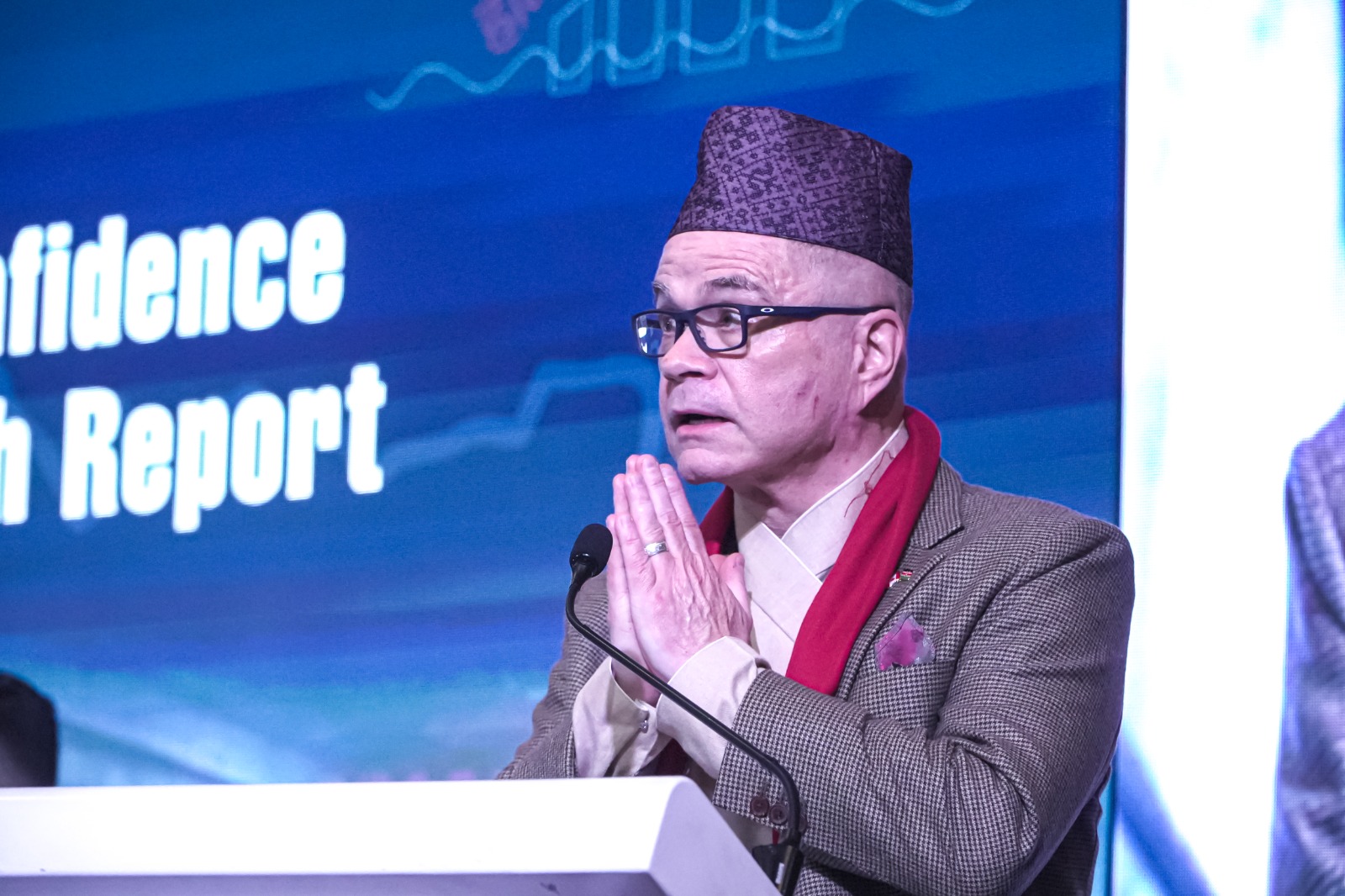
Speech delivered by NCell Chief Executive Officer Michael Foley at the “Diagnosing Investor Confidence and Launch of the Research Report” symposium organized by Clickmandu.com on 8 February 2026. Edited for clarity.

Comment Here