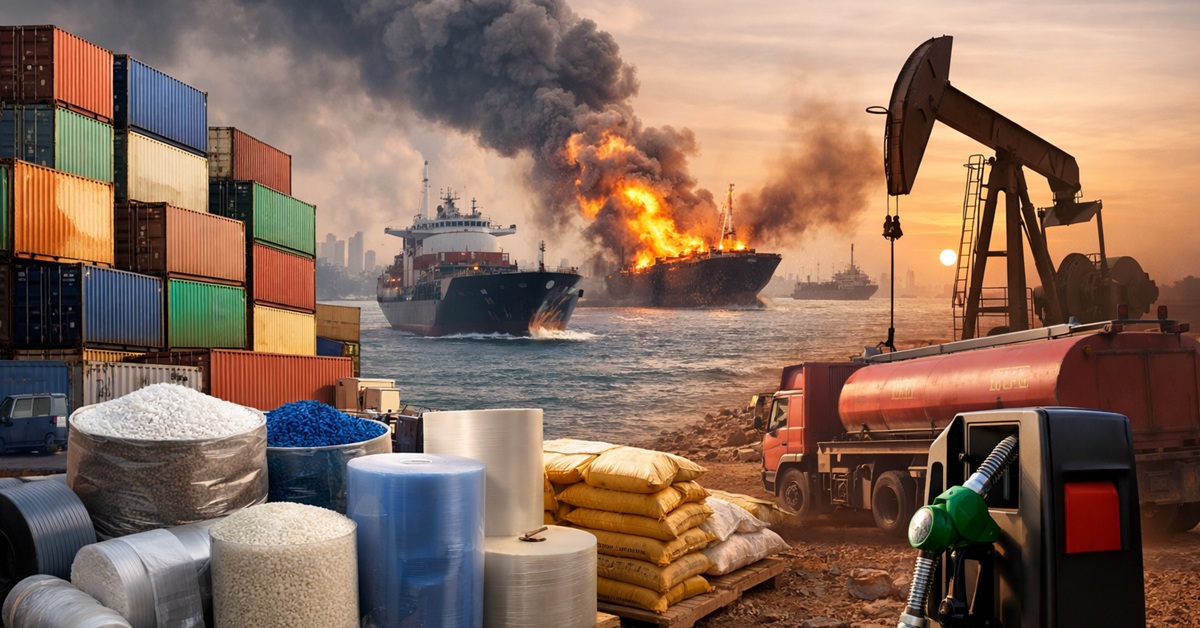

Biratnagar: The ongoing conflict in West Asia has begun to ripple through Nepal’s Sunsari–Morang industrial corridor, where rising shipping costs and disrupted supply chains are driving up production expenses and, ultimately, consumer prices.
Shipping companies, citing force majeure, have increased freight charges by $1,500 to $2,000 per container, while still failing to deliver industrial raw materials on schedule. This double blow has left manufacturers struggling to maintain operations.
According to Nandakishor Rathi, president of the Morang Trade Organization, the combination of higher freight rates and delayed shipments has significantly inflated production costs, with overall industrial expenses rising by at least 8 to 10 percent.
The burden has been compounded by sharp increases in the prices of plastic packaging materials and fuel, both of which are closely tied to global supply disruptions caused by the conflict.
In just three weeks, the cost of plastic-based packaging materials has surged by as much as 50 percent. Rising fuel prices have further pushed up transportation costs, leading to higher prices for food and everyday essentials. Rathi noted that the impact is being felt not only by businesses but also by ordinary consumers, as the cost pressures cascade through the supply chain.
The price hikes in packaging materials and petroleum products have increased costs across the board, from transportation to production, directly affecting household budgets. The disruption in shipments of crude palm oil, petroleum, and plastic resins due to the conflict has been a key driver behind the spike in packaging costs, which in turn has affected industries ranging from food and fast-moving consumer goods to pharmaceuticals.
Although Iran has kept the Strait of Hormuz open to most countries, fears of potential attacks have made shipping companies reluctant to operate in the region, further complicating logistics. Rathi warned that if the situation persists, the economic consequences could become severe.
Industry stakeholders say the rising costs of plastic and petroleum have already pushed up prices of staple goods such as lentils, cooking oil, and rice. Birendra Rathi, owner of Pashupati Plastic Industry, said that since the conflict began, the price of plastic resin has increased by US$ 500 per ton, while shipment delays have disrupted production. The cost of resin used by Nepali plastic manufacturers has climbed from US$ 1.2 to US$ 1.8 per kilogram, making it increasingly difficult to sustain packaging production when combined with elevated freight charges.
Suppliers have also begun holding back letters of credit opened before the conflict, leaving shipments in limbo. This has created additional financial strain, as credit limits at banks remain tied up without goods being delivered or contracts being cancelled, pushing industries deeper into crisis.
Anupam Rathi, president of the Morang Chamber of Industry and Commerce, said the shortage of plastic packaging is now affecting nearly all sectors, including rice, lentils, cement, noodles, dairy, and pharmaceuticals. With packaging materials in short supply, industries are facing production bottlenecks, raising the likelihood of further price increases across essential goods.

Comment Here