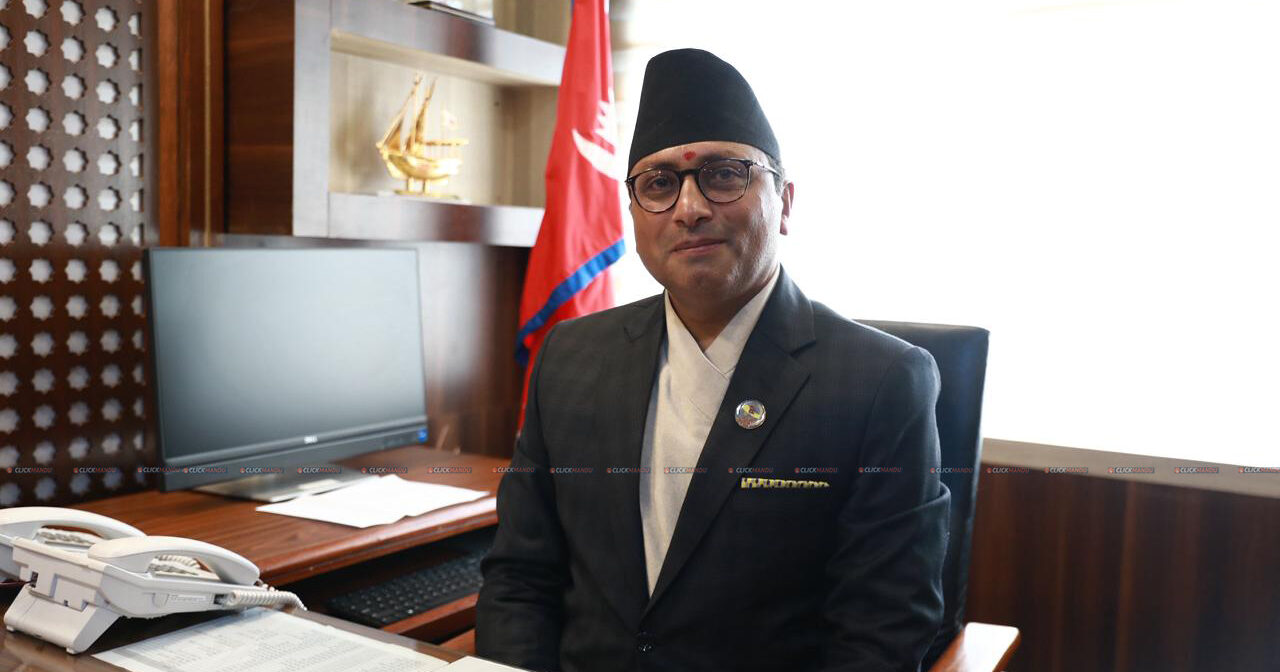

Kathmandu: Newly appointed Finance Minister Swarnim Wagle has announced a series of sweeping structural reforms, calling them a “historic step” toward transforming Nepal’s economy.
Assuming office under the leadership of Prime Minister Balen Shah, Wagle pledged to implement key recommendations of the High-Level Economic Reform Suggestion Commission. As part of this move, the government has decided to abolish the Revenue Investigation Department and initiate the repeal or amendment of 15 outdated laws.
These laws, many dating back decades, are considered incompatible with Nepal’s modern, open-market economy and are believed to have contributed to bureaucratic hurdles and a weak investment climate. According to the Finance Ministry, scrapping them is expected to simplify procedures, improve governance, and attract investment.
Wagle also announced that the legal process to repeal these laws will begin immediately. In parallel, the ministry will prepare a comprehensive “white paper” on the state of the economy within five days. The government is also set to roll out a structured implementation roadmap for its election manifesto, including 100-day, mid-term, and annual action plans.
The minister emphasized that policy reforms will focus on protecting and promoting private enterprise, fast-tracking large infrastructure projects, and eliminating procedural bottlenecks through new legislation and amendments. “We will create an environment where major projects can move forward swiftly,” Wagle stated.
Highlighting a shift in policy approach, Wagle said the government will address economic challenges holistically rather than in a fragmented manner. He stressed the need to replace discretionary decision-making with systemic reforms and confirmed that recommendations from the Public Expenditure Review Commission will also be implemented.
Key priorities include boosting domestic production, generating employment, and designing a transformative national budget. Wagle further announced plans to promote digital governance, initiating a transition toward a paperless and cashless system starting from the Finance Ministry itself.
He also noted that the government will closely monitor global developments, particularly tensions in the Middle East, and coordinate across agencies to manage any potential economic impact.
The reform push is also aligned with long-standing demands from the private sector, which has advocated for the removal of outdated legal barriers. The now-targeted laws were flagged by the commission led by former finance secretary Rameshwor Khanal.
With a strong mandate and an ambitious reform agenda, all eyes are now on how effectively Wagle can translate these commitments into tangible economic outcomes in the coming months.

Comment Here