
Kathmandu — The government has introduced an ambitious roadmap aimed at ushering in a new era in tourism, with a strong focus on wellness travel. It plans to promote Nepal’s yoga traditions and natural healing practices on the global stage by declaring a dedicated year for wellness tourism.
To establish Nepal as an international hub for wellness tourism, the government is set to release a detailed strategy within the next 15 days. As part of this vision, it has also announced plans to celebrate “Nepal Wellness Year 2027,” highlighting Eastern philosophy, meditation, yoga, and natural therapies.
The plan also acknowledges Nepal’s role in proposing April 15 as International Wellness Day, a decision endorsed by the United Nations. The government has expressed gratitude to member states for their support and aims to promote wellness tourism as a key national agenda for economic transformation, supported by stronger inter-agency coordination.
In addition, the government has committed to modernizing and improving the safety and appeal of the tourism and aviation sectors. The 100-point governance reform plan, approved by the Cabinet earlier this month, sets clear timelines for boosting tourism promotion, simplifying air services, and accelerating infrastructure development.
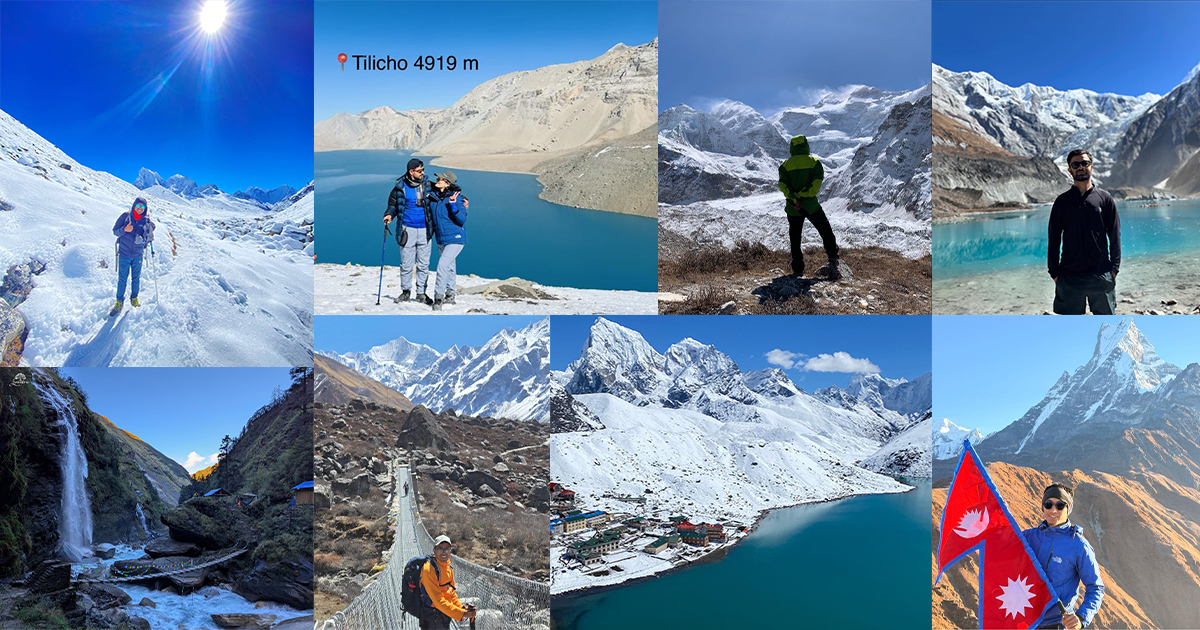
The action plan prioritizes the exploration and expansion of new trekking routes within 100 days. It also includes conducting feasibility studies within a month to bring lesser-known destinations into the tourism mainstream. Areas such as the Koshi River region in Udayapur, Ramaroshan in Achham, Badimalika in Bajura, and trekking routes in Api Himal and Dordi Himal are set to be developed into organized tourist destinations.
To enhance tourist safety and transportation, the government has decided to mandate the installation of CCTV cameras and dashcams in public transport vehicles. Ride-sharing apps will also be required to include SOS buttons within 30 days, allowing emergency alerts to be sent directly to the police—measures expected to improve safety for both domestic and international travellers.
The government is also pushing for investment and infrastructure incentives. A more effective single-window service centre will be established to attract private investment in tourism, while a private sector protection strategy will be implemented immediately to support small and medium-sized tourism businesses.
To speed up large tourism-related projects, the government plans to simplify complex legal processes such as compensation distribution and tree-cutting approvals under a fast-track mechanism.
Overall, the initiative aims to diversify Nepal’s tourism sector, integrate technology into travel systems, and contribute to broader economic growth.

Comment Here