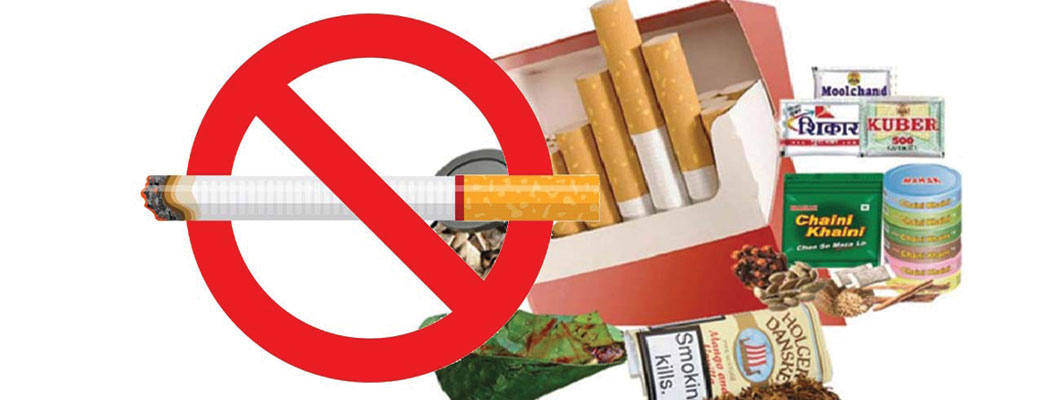

Kathmandu: The Government of Nepal has introduced a restructured health risk tax for a wide range of nicotine and tobacco products, including bidis, cigarettes, and vapes, effective from the upcoming fiscal year.
Under this new tax regime, the government will collect 30 paisa per stick on bidis and 60 paisa per stick on cigarettes and cigars. These specific levies are part of a broader fiscal strategy to discourage the consumption of harmful substances while generating revenue for public health initiatives.
In response to the growing market for alternative smoking devices, the government has imposed a tax of 10 percent of the customs value on heated tobacco products, which are designed for inhalation without combustion. Furthermore, electronic cigarettes and vapes, whether containing nicotine or not and regardless of whether they are rechargeable or disposable, will now attract a health risk tax of 30 rupees per unit. These measures specifically target modern nicotine delivery systems that have seen a surge in popularity among urban consumers.
The new tax policy also covers a comprehensive range of smokeless and flavoured tobacco items. A health risk tax of 60 rupees per kilogram has been set for products such as ready-to-use chewing tobacco, khaini, gutkha, pan masala, scented betel nuts, mouth fresheners, and hookah flavours. By applying this uniform rate per kilogram, the government intends to bring traditional and processed tobacco varieties under a stricter regulatory and fiscal framework.
For administrative purposes, this tax will be collected at the point of entry for imported goods and at the time of dispatch from the factory for domestic products. Taxpayers are required to integrate their health risk tax details into their regular excise duty reports and submit them to the excise officer by the 25th of the following month. To ensure strict compliance, the government has empowered excise officers to reassess and determine taxes in cases of evasion, while instituting a late fee of 0.05 percent per day for any unpaid or under-reported tax amounts.

Comment Here